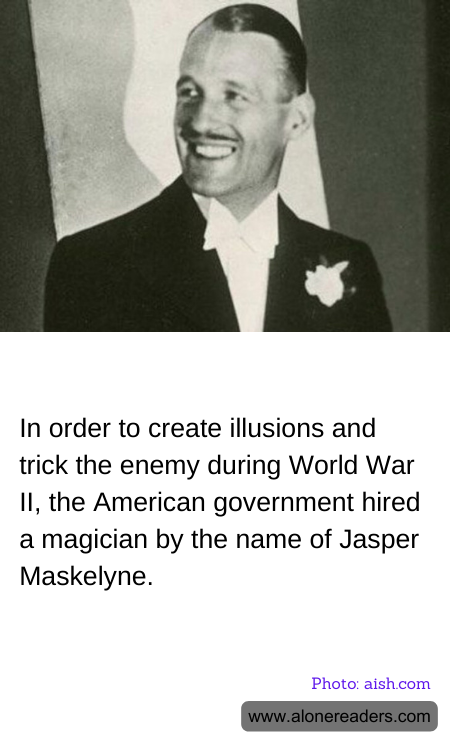
During World War II, the line between magic and military strategy blurred intriguingly with the involvement of Jasper Maskelyne, a British stage magician whose skills were repurposed to combat the Axis powers. Coming from a famed family of magicians, Maskelyne's transition into military deception was almost theatrically poetic. His talents were so intriguing that the British military saw the potential in using tricks of illusion and sleight of hand as strategic assets in warfare.
Jasper Maskelyne's contributions to the war effort were innovative and impactful. One of his most notable feats was the alleged 'camouflage' of the Suez Canal. The canal was a vital shipping route, and its protection was crucial. Maskelyne and his team, known as the 'Magic Gang', supposedly devised a system of mirrors and lights that created the illusion of the canal's waters continuing uninterrupted, while in reality, it shifted the view from the air, confusing enemy pilots and making it difficult for them to target the actual waterway. However, the veracity and extent of this particular accomplishment have been subjects of debate among historians.
Moreover, Maskelyne is credited with the creation of fake military equipment and dummy installations. These decoys played a significant role in operations like the Battle of El Alamein, where they were used to divert Axis forces away from the real concentrations of Allied troops. By constructing bogus tanks and artillery, Maskelyne's illusions did not just misinform enemy reconnaissance but also misallocated their resources and gave the Allies a strategic advantage.
Aside from physical deception, Maskelyne also reportedly developed ways to disguise and protect vital tools of war. He designed inconspicuous methods to conceal weapons and even created illusions that altered the appearance of entire buildings. His inventive approach to wartime strategy extended to personal camouflage, developing face-painting techniques to help soldiers blend into different environments.
Despite his celebrated career, the scale and impact of Jasper Maskelyne's contributions during World War II have been a topic of debate. Some argue that his role was embellished over time, transforming him into a near-mythical figure in military lore. Skeptics point out discrepancies and a lack of concrete evidence about some of his most legendary exploits.
Regardless of the controversy, Jasper Maskelyne’s story stands out as a fascinating chapter in the history of warfare. It underscores the unique intersection of artistry and military tactics and highlights how innovative thinking can transcend conventional battlegrounds. Maskelyne's life indeed reads more like a script from a war-time thriller, showcasing that sometimes reality can be as dramatic and unbelievable as magic itself.
