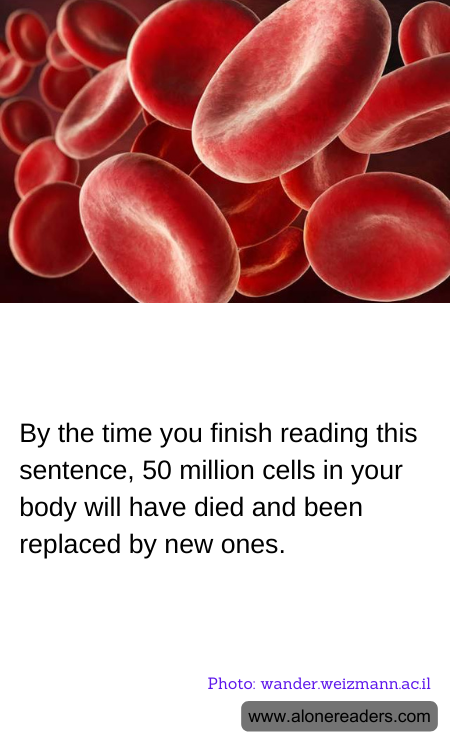
The human body is a remarkable system of regeneration and renewal, constantly shedding old cells and producing new ones to maintain optimal function and health. This process is ongoing and occurs without any conscious effort from us. Every day, billions of cells in our body die and are replaced as part of the natural lifecycle known as cell turnover or cell regeneration.
This regeneration occurs at different rates in various tissues and organs. For example, skin cells are known to have one of the fastest turnover rates, renewing themselves every few weeks. This is why wounds heal and why the skin can frequently renew its outer layer, which is essential for protecting internal tissues and regulating body temperature. Similarly, the cells lining the stomach and intestines have a rapid turnover due to the constant wear and tear they experience from digesting food.
On the other hand, cells in other parts of the body, such as those in the heart or brain, regenerate much more slowly, and some do not regenerate at all after being fully formed in adulthood. This variability in cellular regeneration capacities contributes to different rates of aging and disease susceptibility among various organs and tissues.
The mechanism behind cell death and renewal varies, but it typically involves a process called apoptosis, or programmed cell death, which is a way for the body to rid itself of old, dysfunctional, or unnecessary cells. Following apoptosis, stem cells in the body step in to generate new cells that take the place of those that were lost. This regeneration is crucial not only for maintaining health but also for healing injuries and responding to environmental changes.
Our bodies’ ability to regenerate is a profound illustration of biological efficiency and adaptability, demonstrating how life is sustained by an intricate balance of growth and decay. This microscopic process of cell renewal is a vital aspect of how our bodies operate, supporting everything from our ability to recover from minor abrasions to how well we can fend off diseases. It’s a testament to the complexity and resilience of life at a cellular level, constantly renewing itself in a cycle of life that ensures the ongoing health and functionality of the organism.
