More About This Card
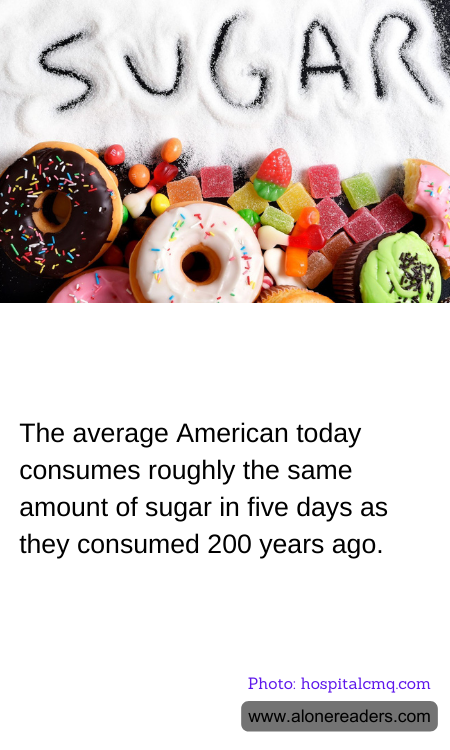
The modern American diet is starkly different from that of 200 years ago, especially in terms of sugar consumption. Today, an average American consumes as much sugar in just five days as one might have in an entire year two centuries ago. This surge in sugar intake is a testament to how drastically our eating habits have evolved, driven largely by changes in food production, marketing, and global trade.
In the early 19th century, sugar was not a staple in the average American pantry. It was an expensive commodity, primarily consumed by the wealthy and used sparingly by others, often for special occasions. Sugar was also not as readily available or as diverse in form as it is today. Most of it came from sugarcane plantations, and the process of refining sugar was labor-intensive and costly.
The industrial revolution brought significant changes. Innovations in manufacturing and transportation reduced the cost of producing and distributing sugar. Sugar plantations became more efficient, and techniques in sugar extraction and processing improved. As a result, sugar became more accessible to the general population. By the turn of the 20th century, it was becoming a common ingredient in preserved foods and beverages, reflecting a broader trend towards convenience and taste preference that continues to influence dietary choices today.
The proliferation of processed foods in the 20th century marked a significant uptick in sugar consumption. Foods that were once made at home without added sugars became mass-produced with added sweeteners for enhanced flavor and longer shelf life. Soft drinks, cereals, and snacks laden with sugar became staples in the American diet. Aggressive marketing campaigns have also played a role, portraying sugary foods and beverages as essential to a modern lifestyle.
Today, the consequences of high sugar intake are well-documented. Numerous studies have linked excessive sugar consumption to various health issues, including obesity, type 2 diabetes, and heart disease. These health impacts reflect a complex interplay between dietary habits and broader socioeconomic factors, including access to diverse and nutritious foods.
Efforts to curb sugar consumption are underway, from educational campaigns aiming to raise awareness about the health effects of sugar to legislative efforts such as soda taxes. Moreover, there is a growing demand for foods with reduced sugar content and for more natural and wholesome ingredients. This shift in consumer demand reflects a broader awareness and a potential return to more traditional eating habits, where sweeteners are used more judiciously. Despite these changes, reducing sugar consumption remains a formidable public health challenge, underscoring the need for sustained efforts to alter dietary habits and improve food environments.