More About This Card
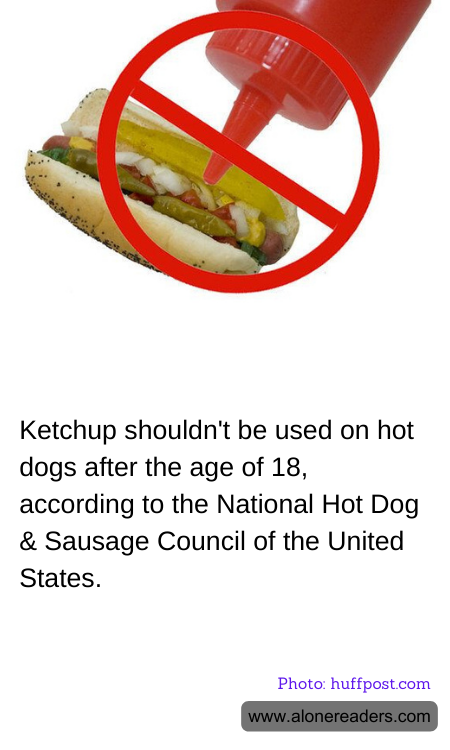
Ketchup on hot dogs is a subject that stirs much debate among food enthusiasts, especially within the United States. Indeed, the National Hot Dog & Sausage Council (NHDSC) has made a somewhat bold proclamation: that individuals over the age of 18 should avoid using ketchup as a condiment on their hot dogs. This statement roots itself not in the concerns of health or diet but rather in the realms of tradition and culinary propriety.
The stern recommendation from the NHDSC underscores a broader culinary tradition that suggests mustard, onions, relish, and sauerkraut as more appropriate toppings for hot dogs. According to enthusiasts, these condiments complement rather than overpower the flavor of the sausage. Ketchup, often seen as a condiment for children, is thought to be too sweet and overbearing, masking the nuanced flavors of the meat.
This opinion, although taken lightheartedly by many, does illustrate the depth of cultural identity and regional preference that influences American food habits. For instance, in Chicago, a city renowned for its specific style of hot dog preparation, the idea of adding ketchup is near blasphemous. The strict adherence to mustard, onions, neon green relish, dill pickle spears, tomato slices, pickled sport peppers, and a dash of celery salt encapsulates a tradition cherished by the city’s residents.
Conversely, in other parts of the country, such culinary conservatism might be met with a shrug, as personal preference and regional variations dictate the choice of condiments. Despite the NHDSC’s recommendation, many young Americans and those young at heart continue to enjoy ketchup on their hot dogs, viewing it as a quintessential part of their personal eating habits and cultural freedom.
Ultimately, the great ketchup debate on hot dogs reflects larger conversations about food traditions, regional identity, and personal preference. While the NHDSC’s stance is firm, it also invites a playful discussion about how and why we eat our food the way we do. In a nation as diverse and varied as the United States, such debates are a testament to the rich cultural tapestry that defines everyday life, including what we choose to put on our hot dogs. Whether you obey the council’s advice or rebel with a bottle of ketchup in hand, the discussion itself is a reminder of the joy found in such a simple, beloved food.