More About This Card
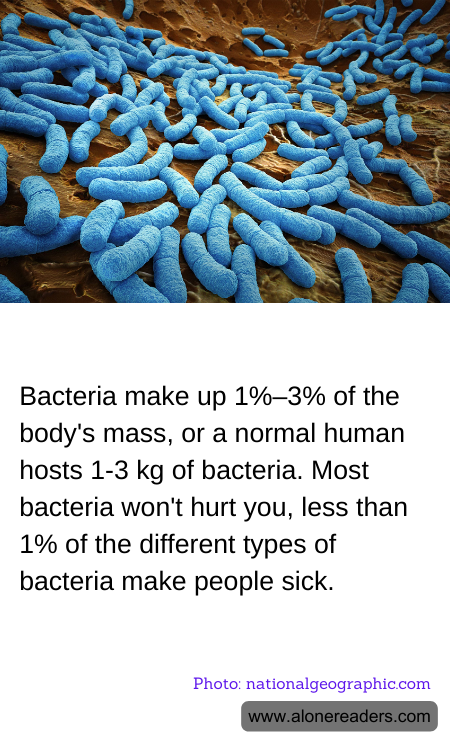
Bacteria are an essential part of the human body, comprising between 1% and 3% of the body's mass, which translates to about 1-3 kilograms of bacteria in a normal adult. These microorganisms are mostly harbored in places like the gut, skin, and mouth, playing crucial roles in various bodily functions.
Despite the negative connotations often associated with bacteria, the vast majority of these microscopic inhabitants are harmless or even beneficial. They are vital for processes such as digestion, where they help break down foods that the stomach and small intestine have not been able to fully digest. They also play a crucial role in synthesizing vitamins B and K and are key to a functioning immune system. By occupying space and resources, they prevent harmful pathogens from establishing themselves, thereby protecting the body against infections.
Interestingly, less than 1% of bacterial species are harmful and can cause diseases in humans. These pathogenic bacteria are well-known mainly because of the impact they can have on human health, but they are exceptions in the bacterial world. Diseases caused by harmful bacteria include pneumonia, urinary tract infections, and tuberculosis, to name a few. However, it's crucial to note that even these harmful bacteria can sometimes be found in and on healthy individuals without causing disease; their impact depends on factors like the immune system's strength and existing health conditions.
The relationship between humans and bacteria is a fine example of symbiosis where both parties benefit: humans provide a suitable living environment for bacteria, and in return, bacteria perform several functions crucial for human survival. As research continues to evolve, our understanding of this complex relationship deepens, pointing to new ways to improve health that involve harnessing the power of these microscopic allies. Far from being merely a cause of disease, bacteria are integral to our overall well-being, underlining the importance of maintaining a balanced microbial ecosystem in and on our bodies.