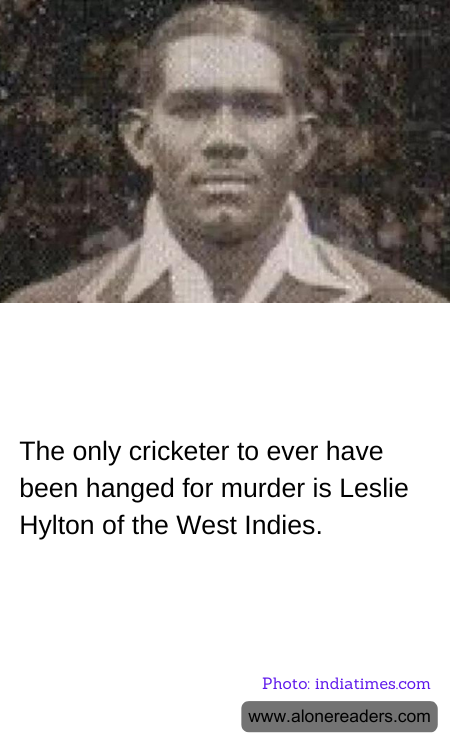
The chilling narrative of Leslie Hylton, an international cricketer from the West Indies who was executed for murder, stands out as a unique and tragic chapter in the annals of sports history. Born in 1905 in Jamaica, Hylton made his mark as a fast bowler and played in six Test matches for the West Indies between 1935 and 1939. Known for his fiery pace and ability to swing the ball, Hylton was a formidable opponent on the cricket field.
However, Hylton's life took a dark turn off the field. In a tragic event that shocked both the sports and the broader community, Hylton was charged with the murder of his wife, Lurlene, in 1955. The case revealed a deeply troubled personal life and marital strife, elements that the public was previously unaware of. During his trial, Hylton admitted to shooting his wife but claimed that he had done so in a fit of jealousy, believing she had been unfaithful. He argued that he had not intended to kill her, a plea that failed to sway the jury.
Hylton's trial garnered widespread attention and stirred considerable public debate. In May 1955, he was found guilty of murder and sentenced to death by hanging. Despite appeals for clemency from various quarters, including members of the cricketing community who remembered his contributions to the sport, the appeals were unsuccessful. Hylton was hanged in June 1955, becoming the only known cricketer to be executed for murder.
The case left a lasting impact on the West Indies cricket community and brought attention to the pressures faced by sports personalities in their personal lives. Hylton's story serves as a somber reminder of the human frailties that can lie behind public personas and the tragic outcomes that can result from personal turmoil. His legacy in cricket, overshadowed by his dramatic fall from grace, offers a cautionary tale about the complexities of fame and personal struggle.
