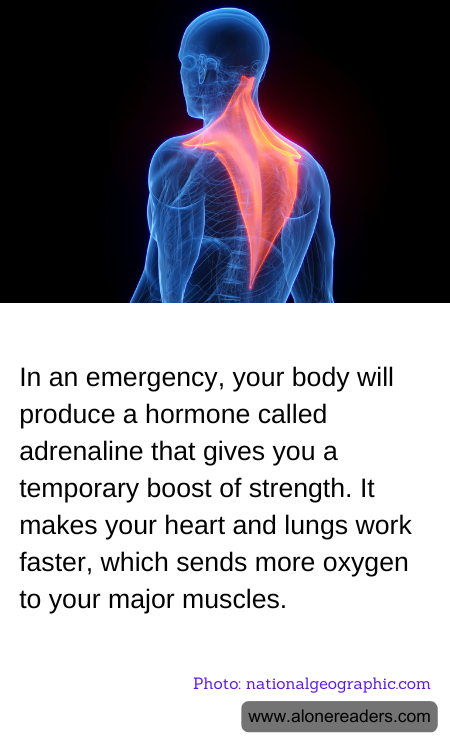
When faced with an emergency, the human body is astonishingly equipped to handle stress through its rapid response system, primarily driven by the production of adrenaline, also known as epinephrine. This hormone plays a critical role in the so-called "fight or flight" response, a fundamental survival mechanism that temporarily sharpens physical and cognitive abilities to respond to acute stressors.
Adrenaline is secreted by the adrenal glands, which sit atop the kidneys. Upon release, adrenaline triggers a cascade of physiological changes. The heart beats faster and harder, while breathing accelerates. This increase in heart rate and lung function pumps more blood and, subsequently, more oxygen to the body's major muscle groups. This boost of oxygen is crucial—it enhances physical performance and alertness in critical moments.
Besides its effects on heart and lung function, adrenaline causes dilation of the air passages, allowing for improved oxygen flow into the lungs. It also prompts the liver to release extra glucose, or blood sugar, providing an immediate energy surge for the body to utilize. Pupils dilate to improve vision, and awareness heightens while sensitivity to pain decreases, both of which are beneficial during emergencies.
This adrenaline rush provides the strength and stamina required to either confront danger directly or flee as swiftly as possible. The intricate balance of mental and physical enhancements is what typically can aid someone in lifting a heavy object off another person or running faster than they ever have in an attempt to escape harm.
It is worth noting, however, that while adrenaline can provide extraordinary temporary capabilities, its effects are short-lived. The body can only maintain this high-alert state for a relatively short period before fatigue sets in. Furthermore, if the adrenaline response is triggered too frequently, as can be the case in those experiencing chronic stress or anxiety disorders, it can lead to significant health problems, including weakened immune function, high blood pressure, and heart disease.
Understanding how adrenaline works is not only fascinating from a physiological perspective but also critical in appreciating how our bodies are designed to protect us during harrowing situations. This natural biochemical process underscores the remarkable capabilities of the human body when faced with crisis, providing not only a burst of strength but also the heightened awareness needed to make split-second decisions that can be life-saving.
