More About This Card
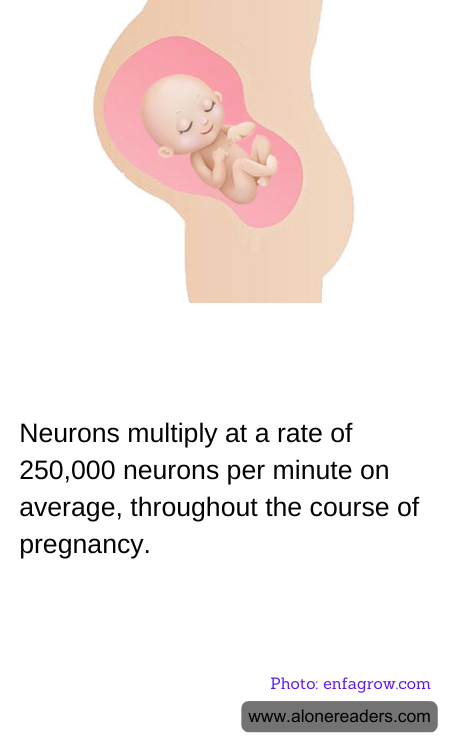
During pregnancy, the human brain undergoes remarkable development in a relatively short period. One of the most fascinating aspects of this development is the rate at which neurons, the basic working unit of the brain, are formed. On average, neurons multiply at an astounding rate of 250,000 neurons per minute throughout pregnancy. This rapid proliferation facilitates the complex wiring and functioning of the brain required in newborns.
The process starts as early as two to three weeks post-conception and accelerates quickly. By the time a baby is born, their brain contains nearly 100 billion neurons. This explosive growth in the prenatal phase is crucial because postnatal neuronal production is significantly reduced; most of the neurons a person will have throughout their life are created before birth.
Neuron proliferation during pregnancy is governed by both genetic and environmental factors. Genetic factors predispose the rate and manner in which neurons are created, while environmental factors, such as the health and diet of the mother, exposure to toxins, stress levels, and intake of necessary nutrients can significantly influence the development process. For instance, folic acid intake is known to be vital for the proper development of the neural tube, from which the brain and spine develop.
The neurons generated during pregnancy are used by the brain to establish neural circuits and pathways which are critical for various bodily functions including movement, sensory processing, and cognitive abilities. As neurons multiply, they migrate to different parts of the brain, specializing and connecting into the broader neural network necessary for human behavior and processing.
Understanding the dynamics of neuron multiplication during pregnancy emphasizes not only the complexity of human development but also the critical importance of maternal health and wellness as a pivotal environment for fetal brain development. It also sheds light on potential neurological and developmental disorders that can arise if this neuron proliferation is disrupted or if development goes awry. This underscores the need for continued research and public health strategies focused on ensuring optimal maternal health and prenatal care.