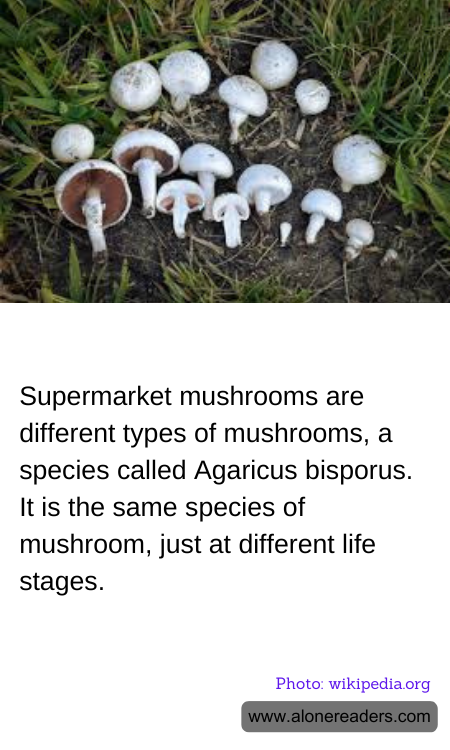
Supermarket shelves usually feature an alluring array of mushrooms, most of which are variants of a single species: Agaricus bisporus. This species is incredibly versatile and appears under several common names depending on its stage of maturity and processing methods. Understanding these variations can enhance your culinary exploits by adding different flavors and textures to your dishes.
The Agaricus bisporus starts its life as what is commonly known as the white button mushroom. These are harvested when young and have a mild flavor and firm texture, making them perfect for fresh salads and as a companion to various meats. As the mushroom matures, it develops into the cremini or baby bella mushroom. Creminis are slightly brown, firmer, and possess a deeper, earthier flavor compared to their younger counterparts. These are excellent for sautéing, baking, or stuffing, due to their less watery nature and richer taste.
The fully matured stage of Agaricus bisporus is known as the portobello mushroom. Much larger in size, portobellos have an open cap, exposing dark gills that are packed with intense, robust flavor. Their meaty texture makes them ideal for grilling and roasting, serving as a substantial main dish or as a hearty addition to sauces and stews.
Despite their different appearances and culinary uses, it's fascinating to note that all these mushrooms share the same genetic makeup. The variation in flavor and texture is primarily the result of different growing conditions and the age at which they are harvested. For instance, white button mushrooms are often grown in cooler conditions with more controlled lighting, while portobellos require more time to grow, benefiting from extended exposure to light which contributes to their darker color and robust flavor.
In cooking, the versatility of Agaricus bisporus can be exploited by using each type according to the dish's requirements. For delicate, subtle flavors, white buttons are ideal, whereas dishes that call for bolder, savory notes might benefit from the inclusion of creminis or portobellos. Moreover, their nutritional profile is just as versatile: they are a low-calorie source of fiber, proteins, and antioxidants, with the added benefit of being a non-animal source of vitamin D, essential for bone health.
Thus, next time you pass by the mushroom aisle, remember that the variety you see is mostly the same species, presented at various life stages, each offering unique culinary potentials. Whether you are tossing them raw into a salad or grilling them for a burger, these fungal fruits are not merely food but a fascinating lesson in biology and gastronomy.
