More About This Card
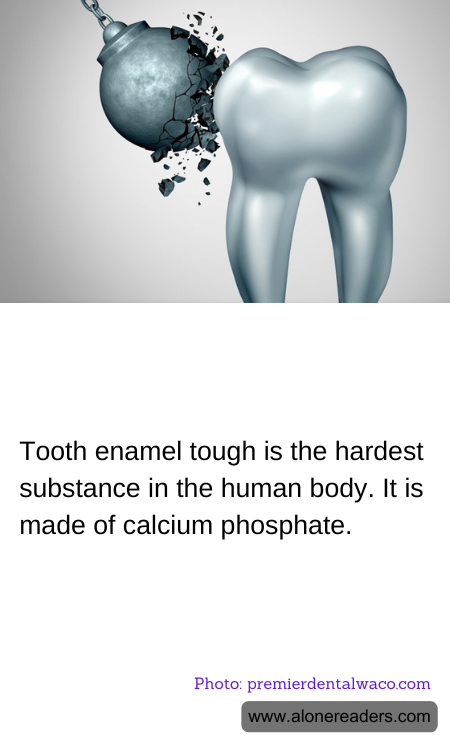
Tooth enamel, the hard, outer surface layer of our teeth, is a marvel of nature and the strongest substance in the human body. Its primary role is to protect the inner, more sensitive layers of the teeth from the harsh environment of the mouth, including the wear and tear involved in chewing and the potential damage from acidic substances. What makes enamel so incredibly tough and durable is its highly mineralized structure, primarily composed of hydroxyapatite, a crystalline calcium phosphate compound.
The formation of tooth enamel is a complex biological process involving specialized cells known as ameloblasts. These cells secrete enamel proteins that help form a matrix that then becomes heavily mineralized. The high mineral content, nearly 96%, with water and organic material making up the rest, is what gives enamel its hardness and resilience. However, despite its toughness, tooth enamel isn't invulnerable. It can be worn down by acidic foods and drinks, and once it's lost, the body cannot regenerate it. This irreversibility is due to the unique nature of its formation, wherein ameloblasts are broken down once enamel formation is complete, a process known as amelogenesis.
To compensate for the inability to regenerate enamel, prevention is key in dental care. Regular brushing with fluoride toothpaste, flossing, and avoiding excessive consumption of acidic or sugary foods can help maintain enamel strength and prevent decay. Moreover, recent advancements in dental research are focusing on finding ways to synthetically regenerate enamel-like substances that could potentially repair cavities and significant enamel erosion, offering a promising outlook for future dental treatments.
Overall, tooth enamel is not just remarkable for its strength but also for its role in dental health, acting as the first line of defense against everyday mechanical stresses and bacterial attacks. Protecting and maintaining the integrity of this enamel is critical not just for oral health, but also for overall well-being.