More About This Card
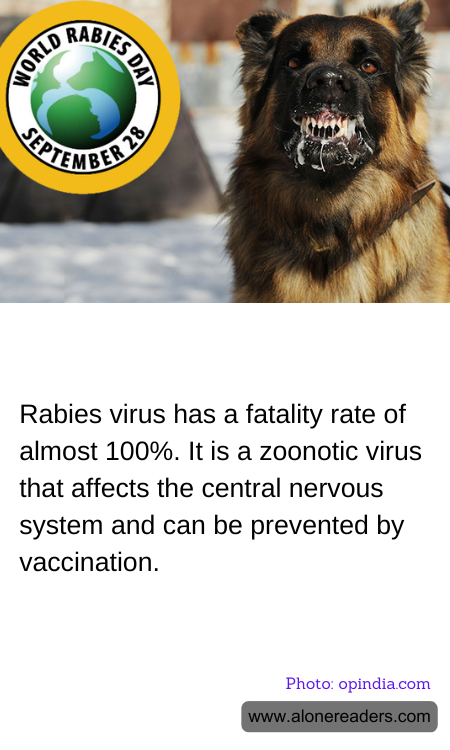
Rabies is an alarming viral disease that primarily affects the central nervous system, leading to dire consequences. The fatality rate of rabies is near 100%, making it one of the deadliest viruses on the planet once symptoms have presented. Transmitted predominantly through the bites and scratches of infected mammals, the disease can infiltrate human and animal populations with terrifying speed. Common carriers include dogs, bats, raccoons, skunks, and foxes.
Once the rabies virus enters the body, it travels through the peripheral nervous system until it reaches the brain, causing acute encephalitis. This progression leads to the well-known and terrifying symptoms: severe neurological disruptions, anxiety, confusion, paralysis, agitation, violent movements, a fear of water (hydrophobia), and sometimes an inability to move parts of the body. Death usually occurs within days after these symptoms develop, mainly through cardiac or respiratory failure.
Prevention, however, is highly effective. Vaccination against rabies is the primary line of defense and is particularly crucial for those in high-risk regions or occupations, such as veterinary science or animal control. Vaccination of domestic animals, particularly dogs, is also a crucial component of rabies prevention and control. In many parts of the world, substantial reductions in rabies cases have been achieved through rigorous pet vaccination programs.
For humans, post-exposure prophylaxis (PEP) is also an effective method for preventing the virus from becoming fatal after an encounter with a potentially rabid animal. PEP involves cleaning the wound immediately and thoroughly, followed by a series of injections with rabies immunoglobulin and vaccine. This treatment is almost 100% successful if administered promptly, typically before the onset of symptoms.
Global efforts to control and eradicate rabies are ongoing, with organizations like the World Health Organization (WHO), the Centers for Disease Control and Prevention (CDC), and various animal welfare groups leading campaigns aimed at vaccination, public awareness, and stricter control of animal populations. Despite these efforts, rabies still presents significant challenges in rural and underdeveloped regions where healthcare infrastructure and public health education regarding rabies may be lacking.
Eradication of rabies requires more than just addressing medical and veterinary aspects; it also calls for a coordinated approach that includes community education, robust health policies, and international cooperation. With continued global effort and compliance with vaccination protocols, the hope is that the toll of this deadly virus can be substantially reduced, aiming towards the global goal of zero deaths from canine-transmitted rabies by 2030.