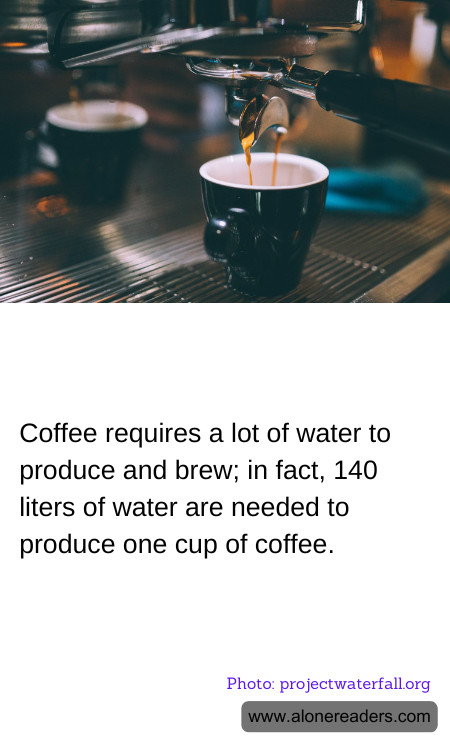
Coffee is one of the most beloved beverages around the world, but few are aware of its significant environmental footprint, particularly concerning water usage. A staggering 140 liters of water are required to produce just one cup of coffee. This astonishing figure covers the entire coffee production process, from the cultivation of coffee plants through to the final brewed cup.
The majority of this water is consumed during the coffee farming stage. Coffee plants, which are predominantly grown in tropical countries like Brazil, Vietnam, and Colombia, require a substantial amount of water to grow. The water is used for irrigation to help maintain the plants, especially during dry periods. Furthermore, water plays a crucial role in the processing phase, especially in the washing and fermentation processes to prepare the beans for drying.
The environmental impact of such high water usage is significant due to the strain it places on local water resources. In many coffee-growing regions, water scarcity is a severe issue, and the extensive water used for coffee cultivation can exacerbate the problem. This is particularly pressing in areas where water is not only used for agriculture but also for drinking and sanitation purposes for local communities.
However, various stakeholders in the coffee industry are actively seeking solutions to reduce water usage. Innovations in irrigation technology, such as drip and subsurface drip irrigation, are being embraced to use water more efficiently. Additionally, some farmers are turning to 'dry' processing methods, which use less water compared to traditional 'wet' methods.
Consumers can also play a role in mitigating these environmental impacts. By choosing coffee brands that prioritize sustainable practices and are certified by organizations like Rainforest Alliance or Fair Trade, consumers can influence better practices within the industry. These certifications often ensure that the coffee is grown with more sustainable approaches to water use, among other environmental considerations.
In essence, while coffee consumption is a cherished ritual for many, it carries with it a substantial environmental impact through water usage. By supporting sustainable practices in coffee production, consumers can help drive the industry towards more environmentally friendly practices.
