More About This Card
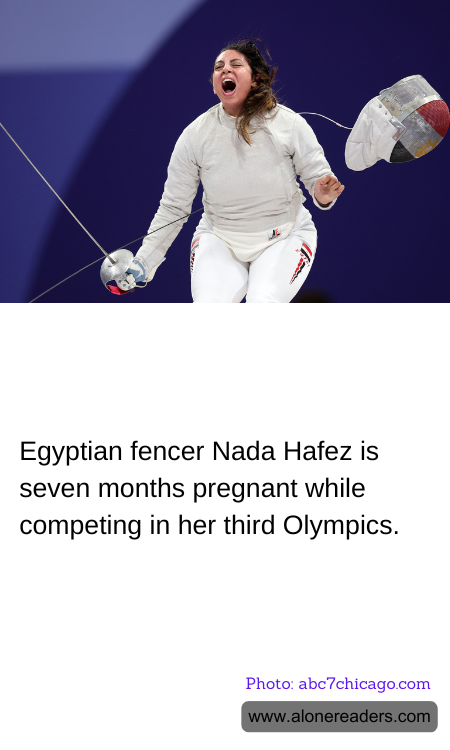
In an extraordinary display of determination and skill, Egyptian fencer Nada Hafez has become a beacon of inspiration by competing in her third Olympic Games while seven months pregnant. This remarkable feat highlights not just her unwavering commitment to her sport but also sparks a conversation about the capabilities of pregnant athletes participating in high-level competitions.
Nada Hafez, who has previously represented Egypt in two other Olympics, has already made a name for herself in the world of fencing. Her participation in this year's Games, however, adds an awe-inspiring chapter to her career. Competing at such an advanced stage of pregnancy is rare in the sports arena, particularly in a physically demanding sport like fencing which requires quick reflexes, intense focus, and agility.
The presence of a visibly pregnant athlete at the Olympics is not just a personal milestone for Hafez but also a significant moment for women in sports. It challenges the traditional perceptions and often unspoken rules about the physical limitations during pregnancy. Furthermore, it emphasizes the importance of supporting athletes through all stages of their personal lives, including pregnancy, encouraging a more inclusive sporting environment.
Safety is, evidently, a paramount concern when it comes to athletes competing during pregnancy. Medical experts often tailor advice based on the individual's health, fitness level, and the nature of the sport. In Hafez’s case, her decision to compete was backed by medical professionals who monitored her health closely, ensuring that both she and the baby were not at undue risk.
Nada Hafez's story is not just about sports; it's about resilience, empowerment, and breaking barriers. It serves as an empowering reminder that with the right support and conditions, women can continue to pursue their passions without compromising on other important aspects of their lives. As Hafez fences her way through the competition, she carves out a path for future generations of women in sports, demonstrating that motherhood and professional athletic careers can indeed go hand in hand. This act of courage and her remarkable ability to balance her pregnancy with the demands of competing at an Olympic level is sure to inspire athletes and non-athletes alike.