More About This Card
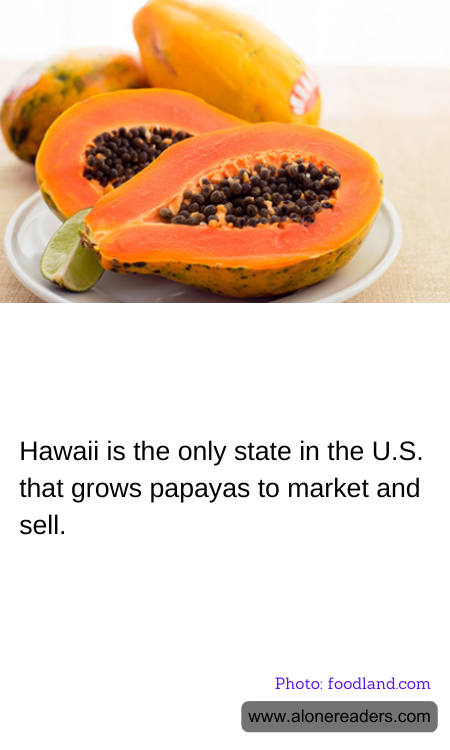
Hawaii holds a unique position as the only U.S. state that cultivates papayas for both local consumption and commercial sale, distinguishing it in both domestic and international markets. The islands' tropical climate and volcanic soil provide an ideal environment for growing this vibrant fruit, which thrives under warm conditions with plenty of sunlight and ample rainfall.
Papaya farming in Hawaii has a rich history, beginning on a commercial scale in the early 20th century. Initially imported from other tropical regions, the papaya quickly adapted to the lush Hawaiian environment, becoming a staple crop. Today, the majority of Hawaii’s papayas are grown on the Big Island, specifically in the Puna area, which offers optimal growing conditions for the fruit.
Over the years, Hawaiian farmers have faced various challenges, including pests, diseases, and the need for sustainable farming practices. One significant threat was the papaya ringspot virus, which devastated crops in the 1990s until the development of a genetically modified variety, known as the Rainbow papaya, helped overcome the disease. This innovation was pivotal, allowing the industry to stabilize and continue to flourish.
Besides its economic value, the papaya is celebrated in Hawaii for its nutritional benefits. Rich in vitamins C and A, as well as fiber and antioxidants, papayas are not just a delicious fruit but also a component of a healthy diet. Locally, they are consumed fresh and are also featured in a variety of dishes, from breakfasts to desserts, showcasing their versatility.
The export of papayas plays a critical role in Hawaii’s economy. The state’s farmers not only satisfy local markets but also ship large quantities to the mainland U.S., Canada, and Japan, among other destinations. This international trade aids in promoting Hawaiian agriculture and provides a significant boost to the local economy.
Furthermore, the cultivation of papayas in Hawaii is deeply intertwined with research and innovation. Agricultural researchers continue to work on developing new varieties that can resist diseases and adapt to potential climate changes. This ongoing innovation ensures the sustainability and growth of the papaya industry in Hawaii, securing its position as a critical player in both local and global markets.
In conclusion, the papaya is more than just a fruit in Hawaii—it’s a vital part of the state’s agricultural landscape, providing economic opportunities and promoting a nutritious diet. The islands’ exclusive capability to grow and market papayas not only enhances its agricultural diversity but also highlights its global agricultural contributions.