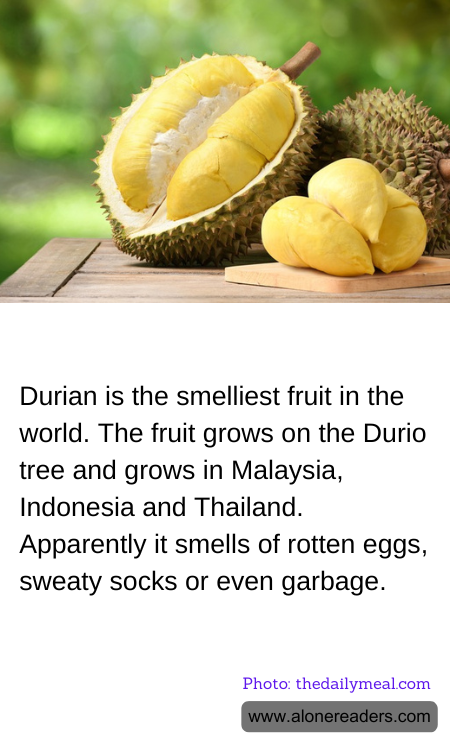
Durian, often hailed as the king of fruits in Southeast Asia, carries a reputation that stirs up strong reactions far beyond its native lands of Malaysia, Indonesia, and Thailand. Known for its distinctive large size, formidable thorn-covered rind, and particularly its overpowering smell, durian’s aroma is infamously divisive. The smell of the fruit is so pungent that it has been compared to a blend of rotten eggs, sweaty socks, or even raw sewage – descriptions that can deter first-time tasters. However, for every detractor wrinkling their nose in disgust, there are enthusiasts who are drawn to its unique scent and exquisite taste.
The paradox between the fruit's off-putting smell and its rich, custardy flavor is something that intrigues many. Inside the tough, spiky exterior lies a soft, creamy flesh that covers large seeds. The flesh can vary in color, typically from pale yellow to red, depending on the type of durian. It's a taste that has been described as akin to a rich almond-flavored custard, layered with notes of vanilla and even a hint of caramel. This complex flavor profile appeals mostly to those who can get past the initial olfactory challenge posed by the fruit.
Despite its reputation, or perhaps because of it, durian plays a significant role in the cultural and economic life of its native countries. It’s a seasonal fruit, typically available from June to August, which makes it a sought-after delicacy within certain periods of the year. In regions where it is grown, durian festivals celebrate the harvest, attracting enthusiasts and curious tourists alike. The demand for durian has also led to significant exports, particularly to China, where its popularity continues to grow.
Moreover, the divisive fruit is not just eaten fresh; it’s also incorporated into a variety of culinary dishes and treats. From durian-flavored ice cream and candies to more traditional fare like sticky rice with durian, the possibilities seem endless. This speaks to the versatility of durian and its ability to bring distinctive flavors that either enhance a dish or stand out on their own.
However, the fruit's odor has prompted strict regulations in certain parts of the world. In Singapore, for instance, durians are famously banned on many forms of public transport and in many hotels across Southeast Asia. This caution highlights the lingering presence of its smell, which can stick to fabrics and linger in rooms long after the fruit itself has been consumed.
Despite these challenges, durian remains a beloved treasure for many across Southeast Asia and beyond. For those adventurous enough to give it a try, it represents a unique culinary experience that boldly defies its initial stinky impression with a rich, complex flavor that many come to adore. Whether loved or loathed, durian undeniably leaves a lasting impression, establishing its regal status in the diverse world of fruit.
