More About This Card
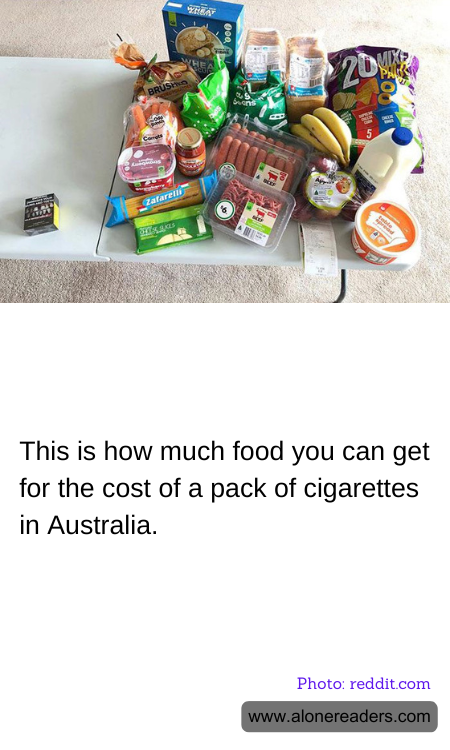
In Australia, the cost of a pack of cigarettes has skyrocketed over the years due to increasing taxes aimed at discouraging smoking. As of now, a standard pack of 20 cigarettes can cost anywhere from $35 to $50 AUD. This significant price tag provides a unique perspective on what else could be bought with the same amount of money, particularly in terms of food.
When comparing the cost of cigarettes to food, $35-$50 AUD can stretch quite far, especially when spent wisely at grocery stores or markets. For instance, with $40 AUD, one could purchase a whole chicken ($10), a 2kg bag of rice ($4), a variety of vegetables like broccoli, carrots, and tomatoes ($10), a dozen eggs ($5), and a liter of milk ($3). This amount of food could sustain meals for several days for a small family.
Alternatively, this budget could be used to buy bulk items which offer substantial savings and longevity in a pantry. For example, bulk beans, lentils, pasta, and canned tomatoes can be bought under this budget, providing a base for numerous nutritious and hearty meals. This kind of shopping not only stretches the dollar further but also supports healthier eating habits.
Dining out or buying pre-prepared food also puts the price of cigarettes into sharp perspective. For the price of a single pack, one could easily enjoy a decent meal at a casual dining restaurant or several meals from cheaper eateries or fast food establishments. For instance, with approximately $35, one could have a meal of fish and chips for two by the seaside, or perhaps three to four servings of Vietnamese pho or Italian pasta at modest eateries.
Lastly, the cost of a pack of cigarettes could also translate into more speciality or luxury food items. For someone with a sweet tooth, this budget could allow them to indulge in high-quality artisan chocolates, freshly baked goods from a local bakery, or even some gourmet cheeses and a bottle of good wine.
In essence, the comparison between the cost of a pack of cigarettes and the amount of food one can get for the same price in Australia is quite stark. It highlights not only the financial burden of smoking but also how those funds could be otherwise spent on nourishing food that benefits one's health and well-being rather than detracting from it.