More About This Card
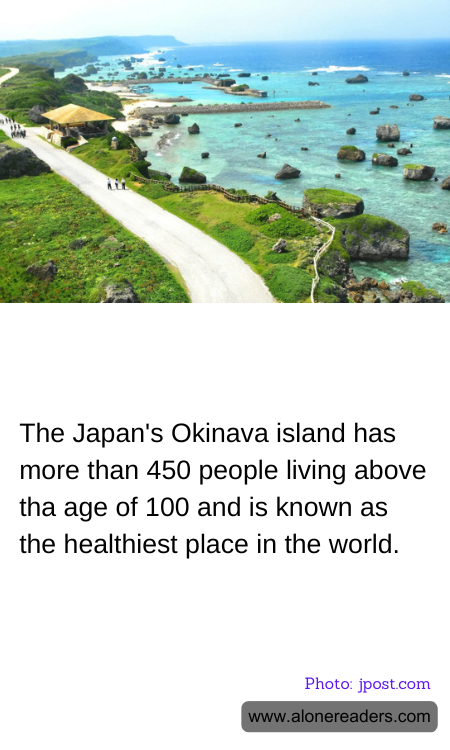
In the serene stretches of Japan's Okinawa Island, life unfolds at a leisurely pace, marked by an extraordinary health phenomenon. Here, longevity isn't just admired; it's the norm. Okinawa, often acclaimed as one of the healthiest places on Earth, is home to more than 450 centenarians, a statistic that leaps beyond global averages. This remarkable longevity can be largely attributed to a combination of genetic, lifestyle, and dietary factors.
The traditional Okinawan diet is a cornerstone of their extended lifespan. Predominantly plant-based, it includes large quantities of sweet potatoes, green and yellow vegetables, and soy products. Notably low in calories yet dense in nutrients, the diet avoids excessive amounts of sugar and fat. Besides their dietary habits, Okinawans drink plenty of green tea, which is rich in antioxidants. Importantly, this island community consumes food until they are only 80% full, a practice known locally as "Hara Hachi Bu," which helps to prevent calorie overload and promote better digestive health.
Lifestyle also plays a crucial role in the health of Okinawans. The elderly maintain an active social life and participate regularly in community activities, which studies suggest could contribute to reducing stress and preventing mental health issues like depression. Physical activity is a natural part of their daily routine, from gardening to martial arts, helping to maintain muscle strength and cardiovascular health.
Another factor contributing to Okinawa's exceptional longevity is the concept of "Ikigai," which translates to a reason for being. Ikigai provides residents a strong sense of purpose that propels them to look forward to each day. Whether it's through simple daily tasks, spending time with family, or engaging in hobbies, having a purpose in life is essential for mental and emotional health.
Moreover, the environment in Okinawa supports longevity through its clean air and relatively slower pace of life, which together create a stress-free atmosphere that promotes overall well-being. The cultural attitude towards the elderly is also noteworthy; older individuals are respected and valued, often acting as leaders and advisors in their communities. This sense of belonging and purpose provides psychological stability and satisfaction.
In conclusion, Okinawa's exceptional case of longevity is a multifaceted phenomenon rooted in dietary excellence, an active and engaged lifestyle, communal support, and a meaningful existential outlook. These elements forge not only a blueprint for long life but also for higher quality living. In a world that's rapidly aging, Okinawa offers profound lessons on aging gracefully and healthily.