More About This Card
The theft of the Mona Lisa from the Louvre in 1911 is one of the most fascinating tales in the history of art. On August 21, 1911, Vincenzo Peruggia, an Italian handyman and occasional painter, managed to walk out of the museum with Leonardo da Vinci’s masterpiece tucked under his arm. The painting had been removed from its usual spot under the guise of being photographed for museum records, a routine process. However, instead of returning the artwork, Peruggia absconded with it, hoping to return it to Italy as he believed that it had been stolen by Napoleon during the Italian campaigns.
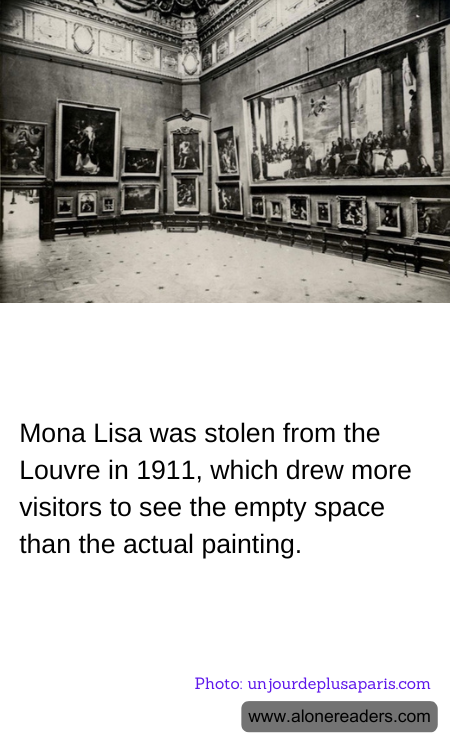
The disappearance of the Mona Lisa had an unexpected effect. News of the theft spread rapidly around the globe, captivating the public and the media alike. Ironically, the empty wall where the famous painting had once hung drew more visitors than the artwork itself had when it was on display. Thousands of people flocked to the Louvre just to see the blank space, reflecting the sudden surge in the painting's fame post-theft.
The police investigation into the theft was extensive, involving numerous suspects including the famous poet Guillaume Apollinaire and even the avant-garde artist Pablo Picasso. Both were later exonerated. The real thief, Peruggia, was caught two years later in 1913 after he attempted to sell the painting to the Uffizi Gallery in Florence, Italy. His stated motive was patriotic: he wanted to bring the Mona Lisa back to its homeland, believing that this would restore honor to Italy.
Upon its recovery, the Mona Lisa was returned to the Louvre in 1914, and its homecoming was met with elation. The painting toured Italy before making its way back to Paris, celebrated all the while. This incident not only elevated the Mona Lisa to a legendary status but also greatly impacted public interest in art galleries and the preservation of art. The increased security measures at museums worldwide in the aftermath of this event are a testament to its impact.
The theft highlighted how culturally significant the Mona Lisa was and still is. It is a potent example of how art captures the public imagination, being more than just a visual experience but a symbol of national pride and historical intrigue. The saga of the Mona Lisa's theft and return not only added to the mystique surrounding the artwork but also cemented its status as one of the most cherished and recognized paintings in the world.