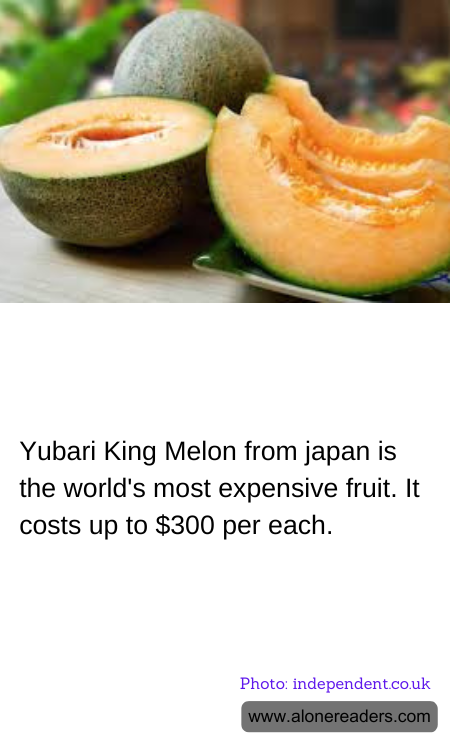
The Yubari King melon, hailed from the small city of Yubari in Hokkaido, Japan, stands as a pinnacle of agricultural artistry and luxurious indulgence, not merely in Japan but globally. Known for its exorbitant price tag, a single Yubari King melon can sell for as much as $300 or even higher at auction, which underscores its rarity and the prestige associated with it.
What makes the Yubari King so special and expensive is a blend of factors, predominantly its cultivation method, unique taste, and the stringent quality control standards upheld by Japanese farmers. These melons are grown in carefully controlled conditions, where everything from the soil composition to the ambient temperature is managed meticulously to ensure the perfect growth environment. The melons are even given hats to protect them from too much sun or rain.
The taste is another hallmark of the Yubari King melon, known for its incredibly sweet flavor and juicy, tender flesh that practically melts in the mouth. The high sugar content, which is meticulously measured, and the texture of the melon are what gourmets and food enthusiasts pay a premium for. Each melon undergoes a strict grading process and is judged based on its shape, size, and sweetness, with only the absolute best reaching the auction block.
The cultural significance of melons in Japan also adds to the allure of the Yubari King. Melons are often given as gifts in Japan, symbolizing respect and appreciation, and the presentation of a Yubari King melon is considered an honor. The melons' perfect round shape and smooth rind are highly prized aesthetically, making them not just a fruit, but a work of art.
The peak season for Yubari King melons is during the summer months, particularly from May to August, which is another factor that adds to their rarity and cost. The limited growing season and the high demand, both domestically and internationally, keep the prices at a premium.
In sum, the Yubari King melon is not just any fruit; it's a symbol of perfection in cultivation, a prized gift representing Japanese tradition and an exquisite culinary delight. Its staggering price is a reflection of the meticulous care, labor, and tradition that go into its cultivation, making it the world’s most expensive fruit. For those who can afford it, the experience of tasting such a unique and luxuriously nurtured fruit is the ultimate indulgence.
