More About This Card
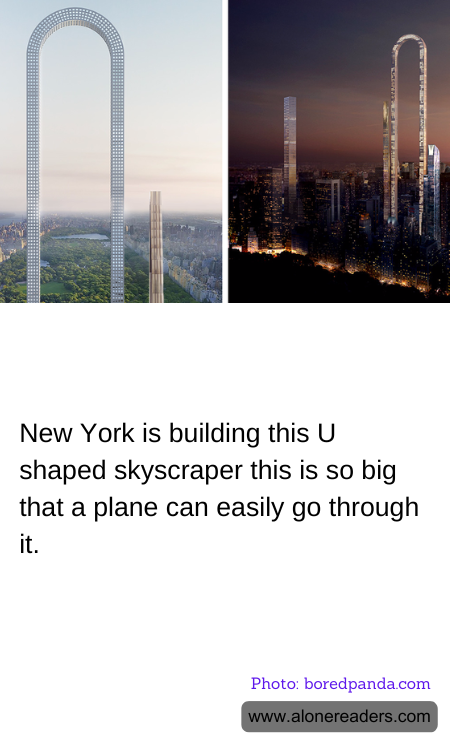
New York City, known for its skyline brimming with architectural marvels, is set to add yet another groundbreaking structure to its ranks—the U-shaped skyscraper. Dubbed as "The Big Bend," this project proposes a unique and astonishing twist to the conventional skyscraper by being shaped like a gigantic horseshoe. This ambitious design isn't just a visual spectacle; it's planned to be so large that a plane could easily pass through its opening, illustrating the scale and audacity of modern architectural endeavors.
The idea was conceived by the design firm Oiio Studio as a solution to the limitations imposed by New York's zoning laws. By bending the building into a U-shape, the architects argue that it will be possible to build higher within the legal footprint, as the structure's height is measured from its base to the top of its highest point. This loophole could potentially allow for a building that far exceeds current height restrictions without breaking any rules.
The Big Bend is intended to stretch over 4,000 feet in length, which would make it the longest building in the world if laid end to end. The design includes a state-of-the-art elevator system capable of moving in curves, horizontally, and in continuous loops, a technological marvel suitable for such an innovative structure. The design represents a significant departure from traditional building forms and reflects a futuristic approach to urban space conservation.
As a hub for real estate innovation, New York's embrace of such an unconventional structure showcases its perpetual push towards redefining the cityscape. The building aims not only to become a tourist attraction but also to offer a mix of residential and commercial spaces, providing lush green spaces, luxury apartments, and office units with panoramic views of the city.
However, while The Big Bend might be an architect's dream, it also raises questions about the feasibility and environmental impact of such megastructures. Critics argue that the energy required to operate a building of this scale, along with potential challenges related to wind load and structural integrity, could offset any benefits offered by its innovative design.
Still, if realized, The Big Bend could symbolize a new era in skyscraper design, blending aesthetics with functionality in ways previously unimagined. It represents a bold step forward in overcoming urban development challenges, making a significant mark not only on New York's skyline but also on the field of architecture globally. Whether or not this daring U-shaped skyscraper comes to fruition, it certainly stirs the imagination and prompts ongoing discussion about the future of urban environments and architectural possibilities.