More About This Card
In the vast arid expanses of Arizona, the iconic cactus stands as a sentinel of the desert's delicate ecosystem. Among these, the towering Saguaro cactus, native to the Sonoran Desert, is perhaps the most emblematic. It is not just a symbol of the Arizona landscape but also an integral part of the ecological balance, providing habitat and sustenance to a variety of desert wildlife. Given its significance, strict laws protect these majestic plants.
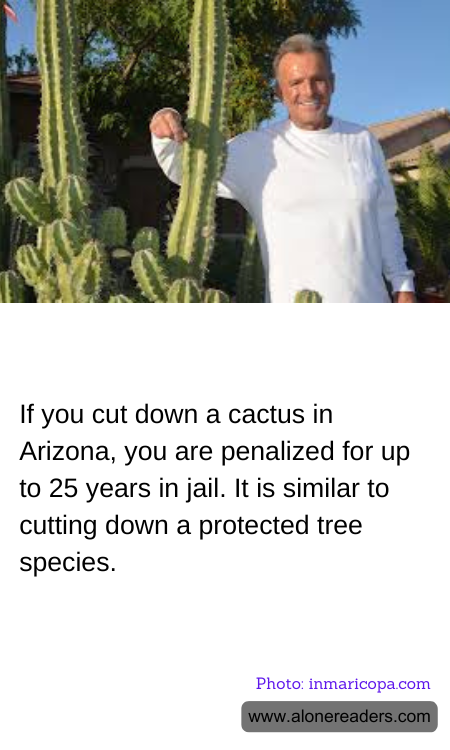
The legal protections for the Saguaro and other cacti in Arizona are surprisingly stringent, reflecting the seriousness with which the state regards its natural heritage. Cutting down a cactus in Arizona without proper authorization can lead to severe penalties, including hefty fines and significant jail time. While it might be surprising to learn that the penalty for removing a cactus could extend up to 25 years in jail, such stringent measures underscore the value placed on these plants.
The Arizona Department of Agriculture enforces strict regulations concerning the removal, transplantation, and treatment of protected native plants, including various cactus species. Permits are required even for activities such as trimming or moving cacti from one part of a property to another. The intention behind these regulations is not just to preserve the visual aesthetics of the region but to safeguard the biological diversity and ecological stability of the area.
These laws have seen broad support from conservationists and ecological groups, who argue that cacti play a crucial role in the desert environment. They serve as a food source and provide critical habitat for creatures ranging from birds to insects and small mammals. The lengthy lifespan of the Saguaro, which can live for more than 150 years and grow over 40 feet tall, means that damaging or removing one of these plants can disrupt the desert biome for centuries.
As urban expansion and development pressures increase, these protections are more vital than ever. They prevent over-exploitation of natural resources and encourage sustainable and mindful growth practices. They also serve as a reminder of the importance of conservation and the responsibilities humans have toward maintaining the health and integrity of natural environments.
In conclusion, while the penalties for cutting down a cactus in Arizona might appear extreme at first glance, they reflect a broader commitment to environmental conservation and respect for the land. These laws protect not only the cacti but also the larger ecosystem that depends on them, ensuring that Arizona's deserts remain vibrant and teeming with life for generations to come.