More About This Card
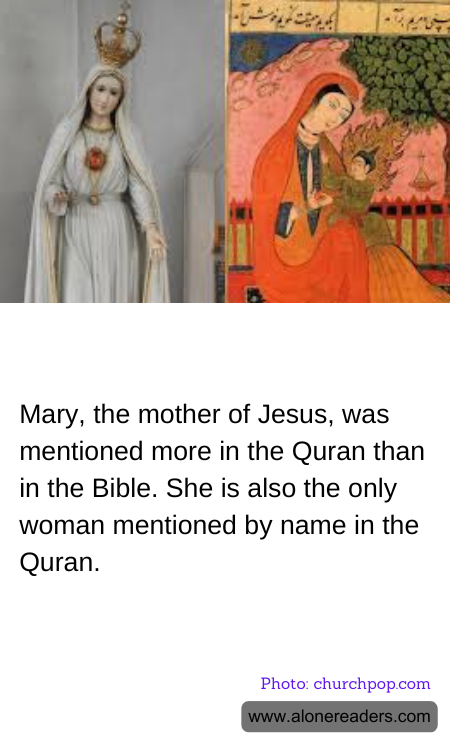
Mary, the mother of Jesus, holds a uniquely revered position in Islamic tradition despite the common perception that she is primarily a Christian figure. Interestingly, Mary (known as Maryam in Arabic) is mentioned more times in the Quran than in the Bible, which highlights her significant role in Islamic faith as well as in Christianity. This distinction points to the deep respect and honor attributed to her in Islam, paralleling and sometimes even exceeding her veneration in Christian doctrine.
In the Quran, Maryam's story is one of purity, divine selection, and miraculous occurrences, themes that are familiar but detailed uniquely in Islamic texts. She is the only woman mentioned by name in the Quran, a fact that underlines her unparalleled status among women in Islamic theology. Her narrative in the Quran includes the miraculous birth of Jesus (Isa in Islam) without a father, which is affirmed as a sign of God's power and a matter of divine decree, similar to the virgin birth narrative in Christianity.
Moreover, an entire chapter in the Quran is named after Maryam, which is a clear indication of her importance and the reverence she commands. This chapter, Surah Maryam, details her family lineage, the prophecy of her birth, her own birth, and the miraculous birth of her son, Jesus. Through these narratives, she is portrayed as a model of piety and righteousness, an exemplar for both men and women.
The exaltation of Mary in the Quran goes beyond mere mention; she is depicted as a symbol of obedience, purity, and faithfulness. Her profound trust in God's plan, despite the tremendous challenges she faced, is emphasized strongly in Islamic teachings. This portrayal not only bridges religious divides by highlighting shared veneration but also elevates Mary as a figure of devotion and inspiration across diverse cultural and religious landscapes.
The significant mention and the exclusive position she holds in the Quran demonstrate an overarching theme in Islamic theology—respect and honor for the figures also central to other Abrahamic faiths, which fosters a sense of commonality and mutual respect among the diverse adherents of these global religions. Thus, Mary serves not just as a central figure in religious narratives but also as a bridge fostering interfaith understanding and dialogue.