More About This Card
The Bajau people, often referred to as the "Sea Nomads" or "Sea Gypsies," represent a unique maritime culture spread across the waters of Southeast Asia, primarily around Malaysia, Indonesia, and the Philippines. This indigenous group has adapted to a life so intimately tied to the ocean that they spend the majority of their lives aboard boats or in stilt houses erected in shallow waters.
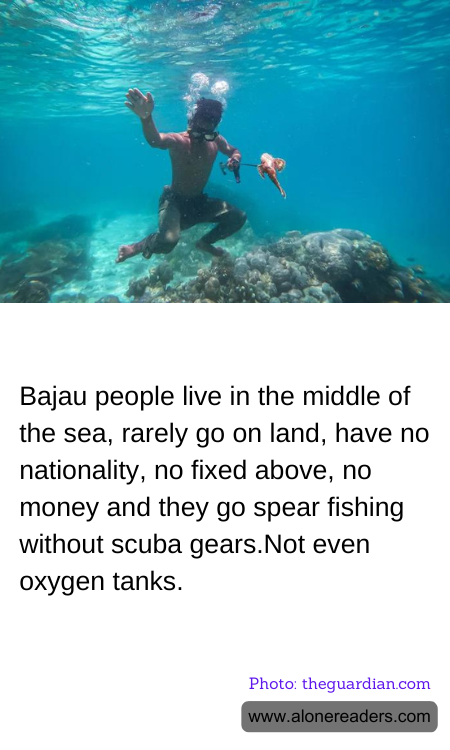
This extraordinary connection with the sea is evident in their day-to-day living and survival practices. The Bajau have traditionally relied on free-diving to gather seafood. With practiced breath-holding techniques, they dive into the ocean's depths without the aid of scuba gear or oxygen tanks, using only homemade wooden goggles and spearguns. Some Bajau divers can descend to depths over 20 meters and hold their breath for several minutes, a physical feat that has intrigued scientists and researchers. Studies suggest that natural selection may have enlarged their spleen size, enhancing their diving abilities by providing a larger reservoir of oxygenated red blood cells.
The Bajau's lifestyle is characterized by their profound statelessness and minimalistic living conditions. They rarely set foot on land, moving from place to place in boats known as lepa-lepa. The idea of "home" extends beyond a physical location, encompassing the broader expanse of the ocean. The community has no fixed abode, nationality, or land-based allegiances, which situates them in a complex position regarding national borders and rights. Often, they are not registered as citizens of any country, which leads to difficulties in accessing healthcare, education, and other governmental services.
Monetary interaction is not a cornerstone of Bajau society. Instead, they engage primarily in bartering, trading fish and other marine resources for commodities such as rice and fresh water. Their economy is largely subsistence-based, focused on meeting immediate needs through the resources the sea provides, which underscores their sustainable interaction with their environment.
The Bajau's remarkable adaptation to oceanic life offers a compelling insight into human resilience and the varied expressions of culture. However, their unique way of life is under threat from the modern world's environmental impacts such as pollution and climate change, as well as increasing governmental regulations that aim to integrate nomadic groups into broader sociopolitical frameworks. Preserving their way of life while respecting their autonomy poses a significant challenge that involves balancing their cultural heritage with the demands and realities of the 21st century.