More About This Card
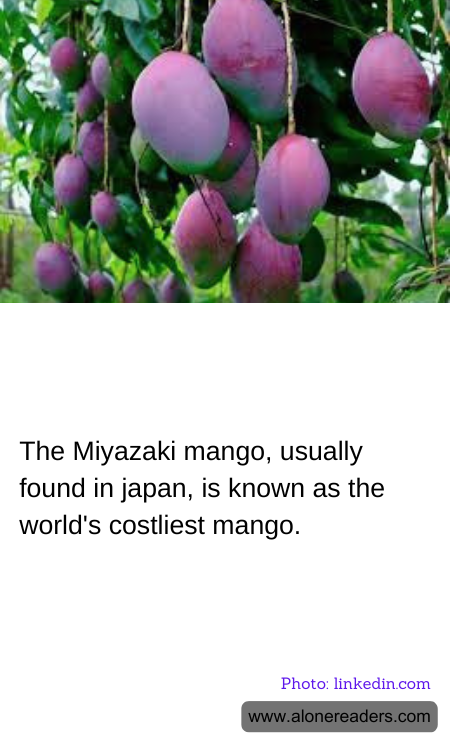
Miyazaki mangoes, often heralded as the world's most expensive mangoes, are a testament to Japan's dedication to quality and precision in agriculture. Native to Miyazaki Prefecture on Kyushu Island, these mangoes are distinctive for their Rubenesque shape, vibrant red color, and extraordinary sweetness. Often referred to as "Eggs of the Sun" (Taiyo no Tamago in Japanese), Miyazaki mangoes are cultivated under stringent conditions that ensure each fruit reaches the pinnacle of perfection.
The cultivation process for Miyazaki mangoes is meticulous and labor-intensive. Farmers employ specific techniques to ensure the ideal balance of nutrients and sunlight. Each mango is grown in a controlled environment where temperature and humidity are carefully managed. The mangoes are even given individual hats to protect them from too much sun exposure. This meticulous attention to detail results in a fruit that is not just a treat for the palate but also a work of agricultural art.
The criteria for a mango to qualify as a Miyazaki mango are incredibly strict. Each fruit must weigh at least 350 grams and have a high sugar content that exceeds 15% Brix, a measure of sweetness. This delicate balance of flavor and size makes them a rare delicacy. Only the mangoes that meet these stringent standards are branded as Miyazaki mangoes and command their high price.
The cost of Miyazaki mangoes can astonish those unfamiliar with the fruit. In Japan and global markets, a single Miyazaki mango can sell for hundreds of dollars, often making headlines when they fetch record prices at auction. The high price is not just about the taste but also the labor-intensive methods of cultivation and the rarity of the perfect fruit.
Despite their luxury status, Miyazaki mangoes hold a deeper significance in Japanese culture. They embody the devotion to craftsmanship and pursuit of excellence that is characteristic of many Japanese artisans, whether they are swordsmiths or satellite engineers. As such, enjoying a Miyazaki mango transcends simple consumption; it is an appreciation of an art form.
The allure of these exquisite fruits extends beyond Japan, enticing global connoisseurs and food enthusiasts who are eager to taste and own what might be considered the epitome of the mango. As a result, Miyazaki mangoes continue to symbolize the intersection of nature, artistry, and the relentless pursuit of perfection in the world of luxury fruit cultivation.