More About This Card
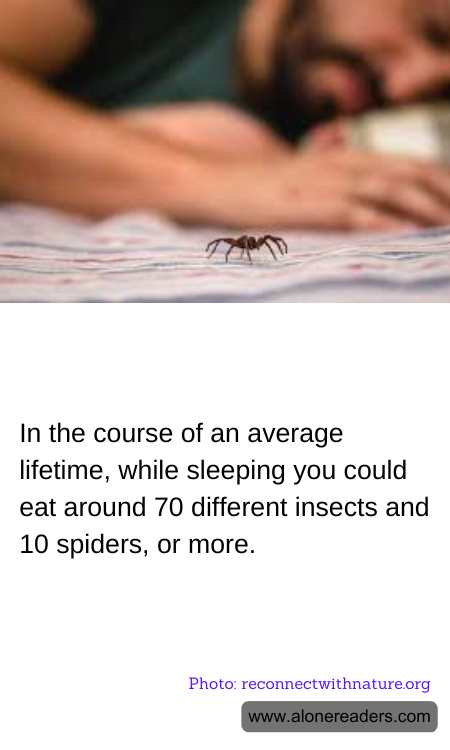
Despite the common belief, the idea that the average person swallows 70 insects and 10 spiders during their sleep throughout their lifetime is more of a myth than a fact. This urban legend has been circulating for years, likely exacerbated by the discomfort it induces and the enduring human fascination with the creepy and the crawly. In reality, there's little to no scientific evidence supporting this claim.
Humans are naturally programmed with reflexes that protect them while they sleep. The gag reflex is active even when you are sleeping, making it highly unlikely for insects to crawl into your mouth unnoticed and be swallowed. Moreover, spiders, which are generally reclusive creatures, would avoid the large, breathing creatures that humans are during sleep. The conditions in a human mouth — from moistness to warmth — are particularly unappealing for these types of critters. Spiders typically steer clear of such environments as survival is their primary instinct, and a sleeping human would pose many risks (vibrations, heat, moisture) deterring any insects or spiders from approaching.
Nevertheless, the myth persists, possibly fueling and fueled by common fears of insects and the unknown things that happen during sleep. It’s crucial to recognize the role such myths play in our understanding of the natural world. Stories like these often overshadow the more fascinating, real aspects of science. In truth, interactions between humans and insects are much more predictable and mundane. Most indoor insects avoid human contact and have adapted to coexist unobtrusively.
Addressing these myths not only corrects misinformation but also highlights the importance of critical thinking in distinguishing between fact and fiction. It also brings attention to our environment and the other organisms we share it with, perhaps sparking interest in the real behaviors and ecosystems at play. Far from being a danger during our sleep, insects and spiders are often beneficial to our habitats, controlling other pest populations and contributing to the biodiversity that keeps ecosystems balanced. Understanding and respecting these creatures' roles can lead to a healthier, more sustainable coexistence.