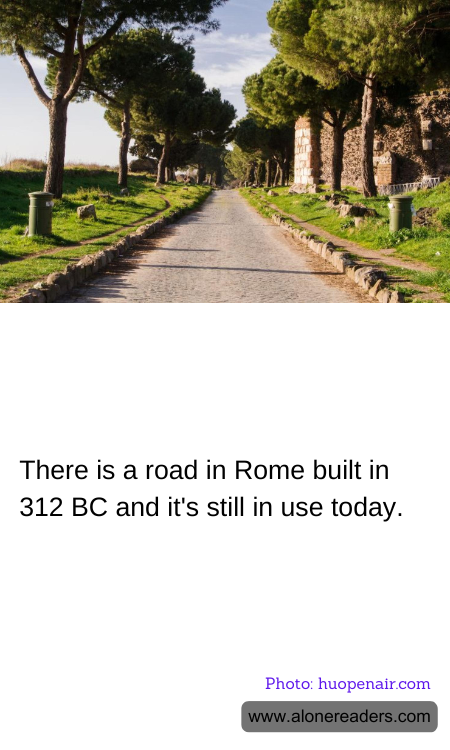
Rome, a city that seamlessly blends the ancient with the modern, is home to a remarkable engineering feat: the Via Appia or Appian Way. Constructed in 312 BC under the authority of the censor Appius Claudius Caecus, this road has stood the test of time and continues to serve as a functional route and historical treasure more than two millennia later. Initially built to facilitate the rapid movement of military supplies and troops towards the Samnite Wars in the Campania and Apulia regions, the Via Appia was one of the earliest and strategically most important Roman roads of the ancient republic.
Stretching initially from Rome to Capua and later extended to Brindisi on the southeastern coast of Italy, this road was a marvel of Roman engineering prowess. Approximately 563 kilometers long, the Via Appia was constructed using tight interlocking stones set on a firm base of small stones or sand. The road was renowned for its durability and relatively straight route, unlike many modern roads. The importance of the Via Appia was not only logistical but also commercial, facilitating trade and the movement of goods throughout the Roman Empire.
Today, the Via Appia is both a tourist attraction and a symbolic testament to the legacy of Roman infrastructure capabilities. Portions of the original route have been preserved and are known as the Via Appia Antica. Walking along the Appian Way, visitors can observe ancient milestones, ruins of Roman statutes, villas, and tombs, most notably the tomb of Cecilia Metella. The road's preservation is attributed to its historical importance and continued use, making it an exceptional case of ancient infrastructure surviving in a contemporary urban setting.
The Via Appia’s continuity of use illuminates how infrastructure, when thoughtfully designed and well-built, can transcend centuries. It not only connects physical destinations but also bridges past and present, serving as a tangible reminder of Rome's history and engineering acumen. As we traverse the same stones that Roman soldiers, merchants, and citizens once did, the Via Appia offers a profound sense of connection to history and a lesson on the enduring impact of well-constructed public works.
