More About This Card
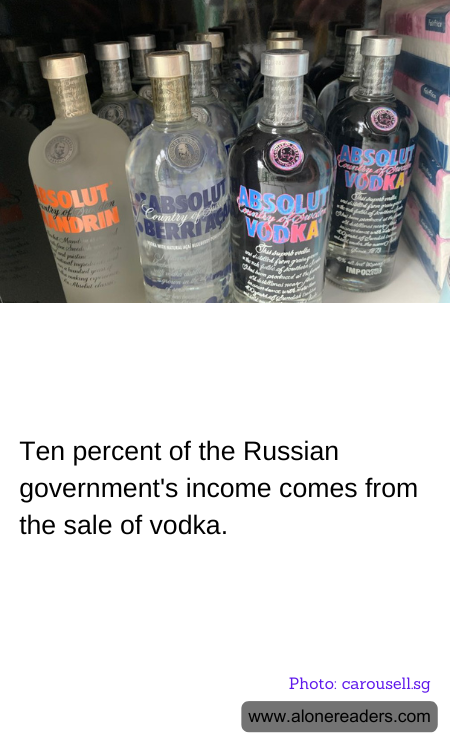
Vodka has long been more than just a popular spirit in Russia; it's a significant economic player and cultural icon. Indeed, it is estimated that around ten percent of the Russian government's revenue comes from the sale of vodka. This statistic not only underscores the drink's popularity but also highlights its impact on the national economy.
The relationship between vodka and Russian society extends deep into history. Vodka has been produced in Russia since at least the 14th century, and over the centuries, it has become deeply ingrained in the social, cultural, and economic fabric of the country. During times of economic difficulty, vodka has often been a reliable source of revenue for the government. Historically, tsars and communist leaders alike taxed vodka heavily to fill state coffers.
The fiscal significance of vodka stems from both its high consumption rates and the government's control over its production and sale. The state has monopolized the vodka industry at various times throughout Russian history, ensuring a steady flow of revenue. Even with the introduction of free market reforms in recent decades, the government has maintained a strong presence in the industry, through both direct ownership and heavy regulation.
However, the reliance on vodka as a source of income is not without its problems. High levels of alcohol consumption are linked to a host of social issues, including health problems like liver disease and alcoholism, which are prevalent in Russia. The government faces the dual challenge of maximizing its revenue from vodka sales, while also addressing the public health crises that arise from its consumption.
In recent years, there have been efforts to reduce the impact of alcohol consumption on public health in Russia. These include campaigns to promote healthier lifestyles and legislation aimed at regulating the production and sale of alcohol. But any move to drastically cut vodka production or consumption faces a complex balance, given the drink's economic importance.
Parsing through the economic and cultural implications of vodka's place in Russian society reveals a paradox. Vodka’s economic benefits are countered by significant social costs. This dynamic continues to shape discussions on public health, fiscal policy, and national identity in Russia. Understanding the role of vodka in Russia illuminates broader themes of how traditional cultural practices can intersect with modern economic and health considerations, presenting unique challenges for policymakers.