More About This Card
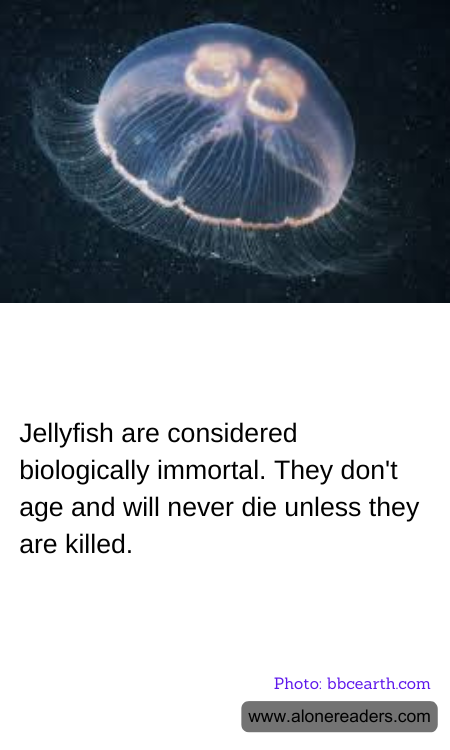
Jellyfish exhibit a fascinating biological feature that has intrigued scientists and the public alike: some species are considered biologically immortal. Unlike humans and most other animals, these jellyfish do not experience aging in the traditional sense. They don’t suffer from a decline in their bodily functions or increased susceptibility to disease as they get older. Instead, they are capable of reverting to a youthful state after reaching maturity, essentially resetting their biological clocks.
The species best known for this remarkable ability is Turritopsis dohrnii, commonly referred to as the "immortal jellyfish." When faced with physical damage or environmental stress, or after reproducing, Turritopsis dohrnii can transform back into its polyp stage—a younger part of its life cycle. This process, known as transdifferentiation, allows it to replace aged or damaged cells with new ones. The jellyfish can repeat this cycle indefinitely, effectively avoiding death from old age.
However, biological immortality doesn't mean these creatures are invincible. They can still be killed by diseases, predators, or environmental challenges like changes in water temperature or pollution. Moreover, the energy required to continuously revert to a younger state could also make them vulnerable to other stressors, potentially limiting the number of times they can actually perform this transformation.
This extraordinary survival strategy not only challenges our understanding of aging and lifespan but also has significant implications for science and medicine. Research into the mechanisms behind the immortal jellyfish’s lifecycle might one day contribute to advancements in human aging and regenerative medicine. By studying how these animals replace their cells without deteriorating, scientists hope to uncover ways to enhance human health and longevity.
The idea of biological immortality in jellyfish continues to be a subject of both wonder and ongoing research, providing a window into the complex interplay of genetics, biology, and the possibilities of life extension. The insights gained from these creatures could lead to revolutionary changes in how humans approach age-related diseases and the aging process itself.