More About This Card
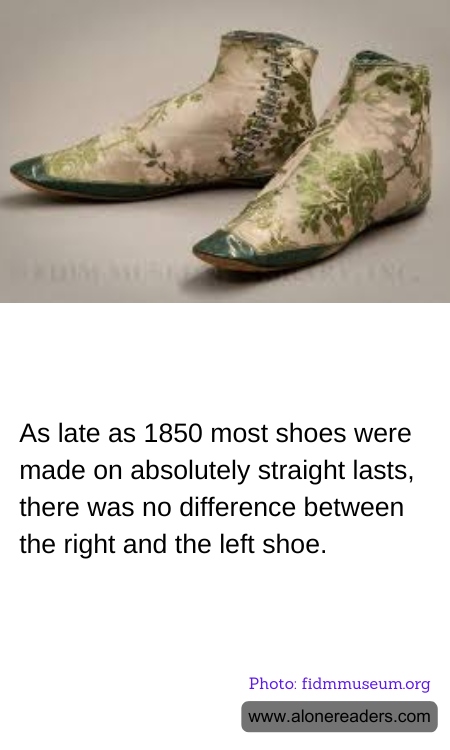
Before the 1850s, footwear was far from the personalized, comfort-focused designs we are familiar with today. Most shoes were made on straight lasts, meaning there was no distinction between the right and left shoe. This interchangeable design stemmed from practicality and simplicity in shoemaking. Shoemakers crafted shoes to fit both feet, which meant that the design and manufacturing processes were streamlined, but it came at the cost of comfort and proper foot health.
The straight last shoe, in essence, was a one-size-fits-all approach that did not account for the natural asymmetry between a person’s right and left foot. Each foot often has a slightly different shape and size; hence, shoes that were not designed to accommodate these differences would ultimately lead to discomfort and a lack of proper support. This could exacerbate foot problems such as bunions, blisters, corns, and hammertoes caused by friction and pressure from ill-fitting shoes.
It wasn’t until the later half of the 19th century, around the 1850s, that shoemakers began to craft shoes specifically shaped for the left and right feet. This shift was part of wider technological improvements in the shoemaking industry, such as the development of sewing machines and mechanized leather-cutting tools, which allowed for more intricate and varied designs. The introduction of differentiated lasts significantly enhanced the comfort of footwear and marked a turning point in both the fashion and shoe industry. This change also reflected a growing awareness and consideration for ergonomics and human anatomy in design.
Today, shoes are available in an array of shapes designed to match the diverse contours and arch types of individual feet, providing not only comfort but also supporting overall foot health. The evolution from straight lasts to foot-specific footwear underscores a broader historical progression towards individualized, tailor-made goods that cater to personal needs and preferences, a testament to the advancements in both technology and our understanding of human ergonomics.