More About This Card
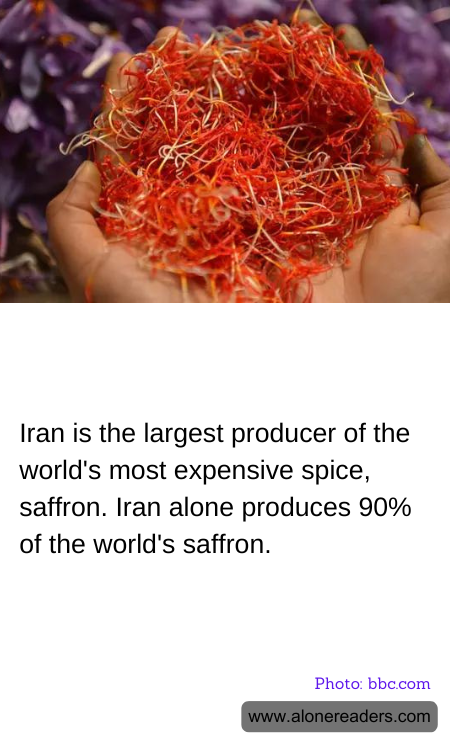
Saffron, recognized for its vibrant color, captivating fragrance, and distinctive taste, stands as the world's most expensive spice, sourced primarily from the rich soils of Iran. The country's unique climate and fertile landscape create an ideal environment for cultivating this precious spice, which is why Iran contributes a staggering 90% to the global saffron production. The harvesting of saffron is as painstaking and labor-intensive as it is ancient, involving the delicate plucking of stigmas from the Crocus sativus flower. Each flower, blooming only once a year, offers just three stigmas. It requires the handpicking of approximately 150,000 flowers to produce a kilogram of saffron, explaining its hefty price tag.
The process of cultivating saffron in Iran has been perfected over centuries. It begins in the late summer when the saffron bulbs are planted. By mid-autumn, the fields become seas of purple flowers but the harvesting period is brief, usually spanning only a few weeks. Farmers often pick the flowers at dawn when the blooms are still closed to protect the delicate stigmas inside. These stigmas are then dried, a critical step that heightens saffron's flavor and extends its shelf life.
The cultural importance of saffron in Iran transcends its culinary use. It is deeply woven into the fabric of Iranian heritage and tradition, often used in ceremonies, medicinal remedies, and the vibrant arts of the region. Internationally, saffron is sought after in the culinary scenes of many countries, especially in dishes like Spain's paella, India’s biryanis, and risotto alla Milanese from Italy.
The dominance of Iranian saffron in the global market also has significant economic implications. Despite challenges, including sanctions that affect the trade routes, the saffron industry remains a crucial part of Iran’s economy. Iranian saffron is widely celebrated for its superior quality, often preferred for its high crocin content, which imparts a strong color, aroma, and flavor to dishes it graces.
As demand for natural and high-quality spices increases worldwide, the importance of Iranian saffron only continues to grow. Its production remains a testament to Iran's agricultural legacy and its enduring cultural significance, marking it as a treasure well worth its weight in gold. In preserving this age-old tradition, Iran not only continues to lead in saffron production but also helps maintain the global diversity of culinary traditions, offering a spice that is as rich in history as it is in flavor.