More About This Card
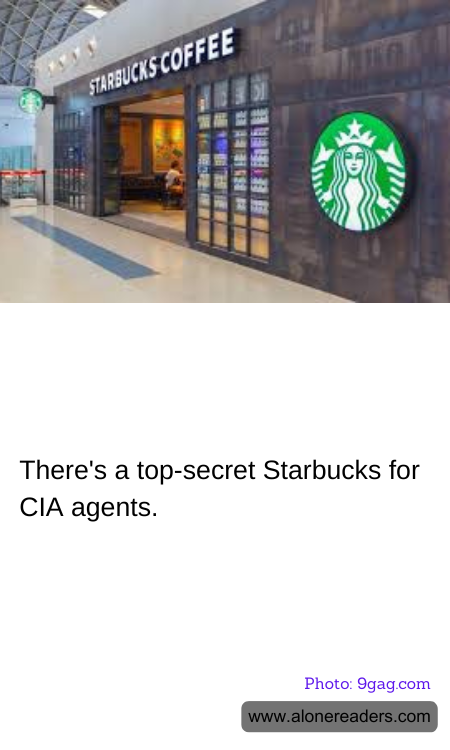
Nestled within the labyrinthine corridors of the CIA headquarters in Langley, Virginia, there's a Starbucks like no other. Unlike any ordinary branch, this Starbucks caters exclusively to secret agents and intelligence staff, offering a much-needed retreat within the confines of a high-security environment. Known informally as Store Number 1, this café operates under tight restrictions: baristas undergo extensive background checks, and the location is devoid of any branding that identifies it as a Starbucks outlet from the outside, ensuring the secrecy and safety of the operatives within.
Patrons at this Starbucks are referred to by their drinks rather than their names, maintaining confidentiality and minimizing risks of information leaks. The store doesn't accept rewards cards either, for fear that digital traces could threaten the anonymity of its customers. Here, even your morning coffee is a covert operation, and the baristas are as skilled in secrecy as they are in espresso art.
Interestingly, the unique setup of the CIA Starbucks serves as a fascinating example of how human memory works, especially regarding recall bias known as the serial position effect. Psychologists have found that people often remember the beginning and end of a list or sequence more easily than the middle—the so-called "primacy and recency effects." This phenomenon could explain why unusual features, like the existence of a top-secret Starbucks, tend to stick in our minds, while the more mundane details of our daily routines may be forgotten.
It's a quirk of human cognitive processing that highlights our penchant for novel experiences and memorable tidbits amidst the routine of day-to-day life. In the context of the CIA's hidden Starbucks, it might be the highly memorable and unusual identity of this coffee shop that makes it a particularly intriguing anecdote, unlike a standard Starbucks visit. Similarly, you might distinctly recall your first sip of coffee or the last goodbye of a friend, while less distinctive memories from the middle of an experience blend into the backdrop of your consciousness.
Thus, while the CIA Starbucks serves as a memorable curiosity, it also unintentionally serves as a symbolic representation of how our memories prioritize and preserve information, preferring the beginnings and ends of our stories. Such an understanding can be beneficial, from improving educational techniques to refining storytelling, ensuring that key messages and lessons resonate and remain with the audience or students long after the details blur.