More About This Card
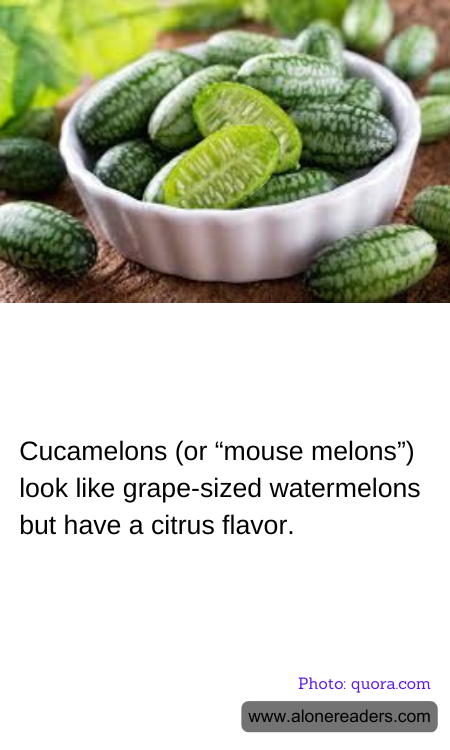
Cucamelons, also whimsically known as "mouse melons," are a delightful addition to the world of tiny fruits. Despite their resemblance to diminutive watermelons with their striking mottled skins mimicking watermelon patterning, cucamelons are not genetically related to them. Each of these grape-sized fruits brings a surprising flavor profile distinctly different from its look-alike. Rather than embodying the sweet taste of watermelon, cucamelons offer a refreshing burst of citrus, some describe it as a tangy mix resembling a cucumber with a hint of lime.
Native to Central America and Mexico, cucamelons have long been identified under a variety of names such as Mexican sour gherkins or Melothria scabra. They grow on prolific vines that are quite similar to those of cucumbers. Their resilience in growth habits allow them to withstand pests and droughts more effectively than many other plants, making them an excellent choice for enthusiasts and seasoned gardeners alike. They are perfect for trellising, which makes them not only space-efficient but also a visually enchanting addition to gardens.
Nutritionally, cucamelons are rich in vitamins and minerals, including vitamin C, potassium, and fiber, making them a fantastic and quirky addition to any healthy diet. They are often eaten raw, added to salads for a crisp texture and zesty flavor, or can be pickled similar to traditional cucumbers to create a delightful garnish or snack. Moreover, their unique appearance and taste profile have made them increasingly popular in culinary circles, featured in gourmet dishes, and cocktails for a whimsical twist.
Cultivating cucamelons is akin to growing cucumbers or tomatoes and is particularly enjoyable for those who appreciate gardening projects that yield unusual and conversation-worthy crops. They are typically planted in the spring after the last frost has passed and require a sunny spot with well-draining soil. Given their vine nature, supporting them with a trellis or similar structure will facilitate healthy growth, allowing the vines to climb and flourish.
In summary, cucamelons are not just captivating in appearance but are also a testament to the diversity and richness of nature’s bounty. They offer a burst of citrus in the guise of miniature watermelons and bring vibrancy and surprise to plates and palates. Whether used in culinary creations or grown as an attractive garden feature, these little fruits provide an excellent example of the delights of garden-to-table eating.