More About This Card
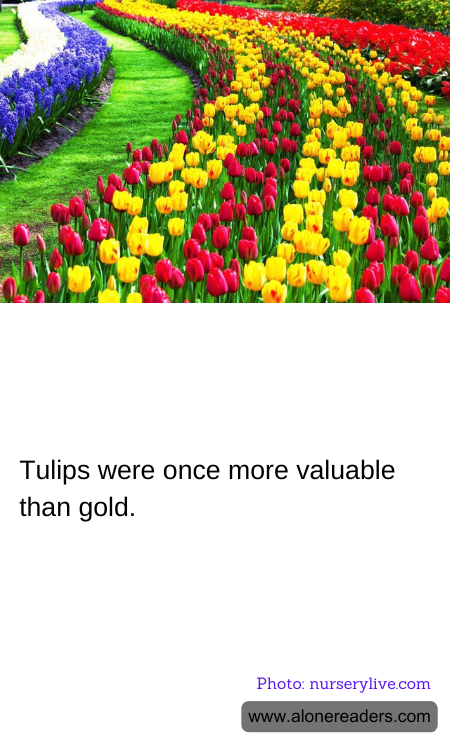
Tulips, with their vibrant colors and elegant form, have captivated people's attention for centuries. However, many might be surprised to learn that these charming flowers were once considered more precious than gold. This phenomenon culminated during a period in the 17th century known as "Tulip Mania," when the price of tulip bulbs in the Netherlands soared to astronomical levels, resulting in one of the first recorded economic bubbles.
The story of Tulip Mania began in the late 16th century when tulips were introduced to the Dutch from the Ottoman Empire. The novelty and the unique beauty of these flowers made them highly desirable among the affluent members of Dutch society, who saw them as a symbol of status and luxury. As demand increased, speculators entered the market, and tulips began to be traded on the stock exchanges of numerous Dutch towns.
Tulip prices reached their peak between 1634 and 1637. During this period, the cost of single tulip bulbs sometimes exceeded the annual income of a skilled worker, making them worth more than some houses at the time. Reports from that era detail individuals trading away fortunes for a single bulb. The most sought-after were the bulbs that produced flowers with unusual colors and patterns due to a virus that affected the tulips, making them even rarer and thus more valuable.
However, as with any bubble, the boom was followed by a bust. In February 1637, tulip bulb contract prices collapsed abruptly and the trade ground to a halt, leaving many investors ruined. The fallout from Tulip Mania was significant, resulting in a tough economic period for the Dutch, who were among the world’s wealthiest and most economically advanced people at the time.
The fallout from Tulip Mania taught early lessons in economic principles that are still studied today, such as speculative bubbles, market speculation, and asset inflation. Despite the economic implications they once caused, tulips remain beloved. Their past as a commodity more valuable than gold continues to add mystique and allure to their already impressive visual appeal.