More About This Card
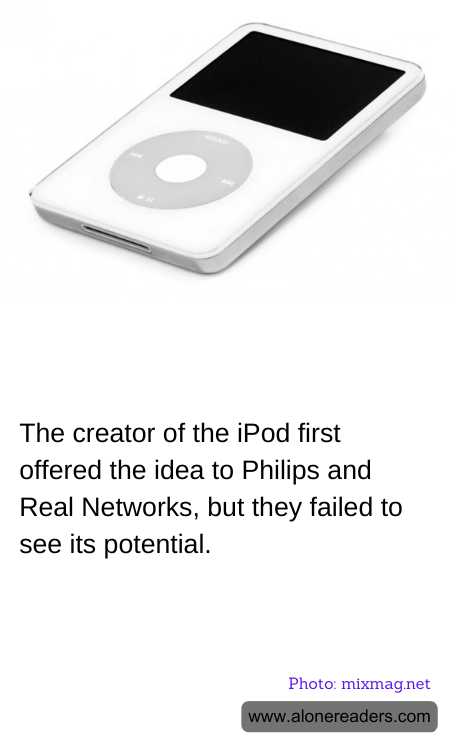
In the late 1990s and early 2000s, as digital technology was rapidly evolving, an opportunity arose that would ultimately reshape the music industry. It was during this era that Tony Fadell, an engineer with a vision for a new kind of portable music player, began shopping his idea around. Before partnering with Apple, he first approached several other companies, including Philips and Real Networks, with his innovative concept. However, these companies failed to grasp the potential impact of his idea, a decision they would likely come to regret.
At that time, Philips was already established in the consumer electronics market but perhaps was too entrenched in its existing product lines to see the disruptive potential of Fadell’s proposal. Real Networks, on the other hand, was a leader in the streaming media sector but didn't foresee how a hardware device could complement their services and add a new revenue stream. Fadell’s idea was to create a small, easy-to-use portable device capable of storing a large library of music, which was a forward-thinking solution to the growing issue of music portability and accessibility in the era of the Internet.
Apple, however, under the leadership of Steve Jobs, recognized the potential. After Fadell joined Apple, the concept evolved into the iPod, which was officially launched in 2001. The iPod combined a sleek, user-friendly design with a then-revolutionary click wheel and a compact form that made it easy to carry a substantial digital music library anywhere. This product not only changed the way people listened to music but also paved the way for the future developments of the iPhone and the entire Apple ecosystem that consumers are familiar with today.
The success of the iPod can serve as a parable of innovation and market foresight. It illustrates the necessity of recognizing and embracing transformative ideas in the tech industry. Philips and Real Networks' inability to perceive the value in Fadell’s pitch left the door open for Apple, which was then in a very different position compared to today, to swoop in and revolutionize the market. The oversight by these companies underscores the critical importance of adaptability and vision in the fast-paced technology sector. The iPod’s legacy is not just about the device itself but also about the broader lesson it imparts about the business of innovation.