More About This Card
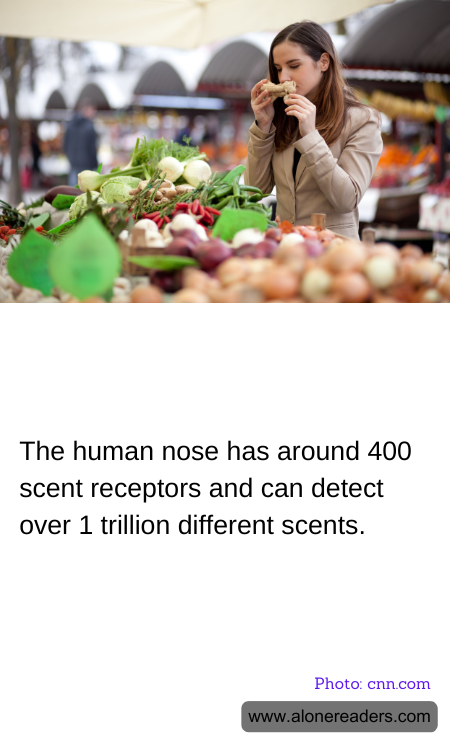
The human nose is a remarkable sensory organ, equipped with approximately 400 different types of scent receptors. This diverse array of receptors enables humans to discern an astonishing variety of odors, with scientists estimating that the nose can detect more than 1 trillion distinct scents. This capability not only enhances our sense of taste but also serves important roles in our emotional responses and memories.
Each scent receptor on the olfactory epithelium, a small patch of tissue inside the nasal cavity, is tuned to perceive specific molecular features of an odor. When odor molecules bind to these receptors, they trigger a signal that is sent to the brain, where the combination of activated receptors is interpreted as a particular scent. This process allows us to recognize a vast array of odors, from the tantalizing aroma of freshly baked bread to the pungent smell of spoiled food.
Moreover, the ability to identify and differentiate among smells is crucial for survival. It enables us to avoid dangers such as gas leaks or spoiled food. Additionally, scents can trigger memories and influence mood and behavior, demonstrating the profound impact our sense of smell has on our psychological and physiological well-being. For example, the smell of lavender is often linked with relaxation and has been used in aromatherapy to help reduce stress and anxiety.
Remarkably, the sense of smell is also highly individualized, with genetic differences affecting how we perceive various odors. This means that a scent that might be pleasant to one person could be less so to another, illustrating the personalized nature of this sensory experience.
Given the complexity and sensitivity of the human olfactory system, ongoing research continues to uncover more about how we process and interpret the myriad scents around us. By deepening our understanding, we can better appreciate not only the biological basis of olfaction but also its impact on health, safety, and quality of life.