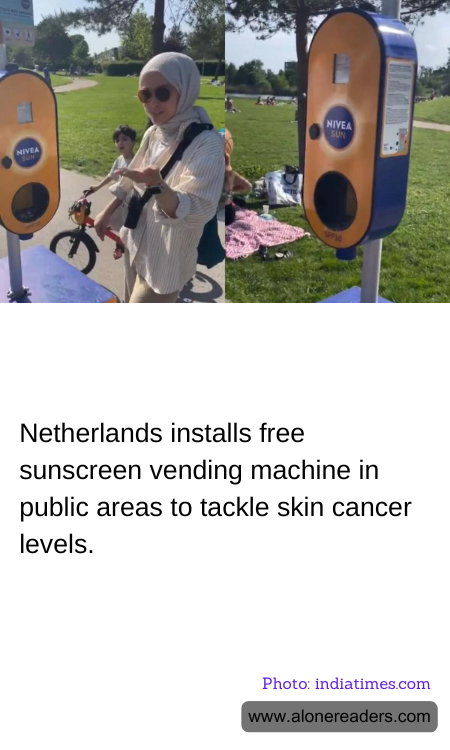
Skin cancer has long been an area of concern globally, with increasing rates often driven by overexposure to harmful UV rays. In an innovative approach to combatting this issue, the Netherlands has taken a monumental step by deploying free sunscreen vending machines in public areas. This health-driven initiative aims to reduce the incidence of skin cancer among residents and tourists alike by encouraging preventive measures against the sun's dangerous rays.
These vending machines have been strategically placed in locations where people are likely to be exposed to the sun for extended periods, such as beaches, public parks, and near major tourist attractions. The decision follows research indicating a marked increase in the rates of skin cancer in the country, aligning with global trends that suggest a growing need for sun protection in everyday outdoor activities. This move puts the Netherlands at the forefront of public health initiatives focused on preventive healthcare.
Public response to the sunscreen dispensers has been overwhelmingly positive. Many see this as a logical step forward in public health, particularly during the summer months when the sun's rays are at their strongest. The ease of access to free sunscreen is hoped not only to encourage more people to take protective measures but also to educate the public about the dangers of sun exposure.
Each machine is equipped with sunscreen sufficient to offer protection against UV rays, providing an SPF level recommended by dermatologists. These automated dispensers are also accompanied by informational posters that offer tips on safe sun practices, further enhancing public awareness about skin cancer prevention. It is a reminder to both locals and tourists that while enjoying the beautiful landscapes and open spaces of the Netherlands, they should take care to protect their skin.
This move aligns with a broader government initiative to improve public health services and reduce healthcare costs in the long run. By taking preventive measures, the aim is to reduce the incidence of skin cancer, which can lead to significant medical costs and affect individuals' quality of life. Policymakers have also noted that educating the populace about health issues via accessible and direct means such as these sunscreen dispensers can serve as a model for other nations looking to implement similar health initiatives.
By providing free sunscreen in easy-to-access public locations, the Netherlands is setting a significant public health precedent. It is a move that other countries might observe and possibly implement in their own regions, recognizing the importance of skin cancer prevention as part of comprehensive public health strategies. This approach underscores the essential shift from reactive medical treatments to proactive health protection, presenting an innovative and highly practical solution to a serious global health challenge.
