More About This Card
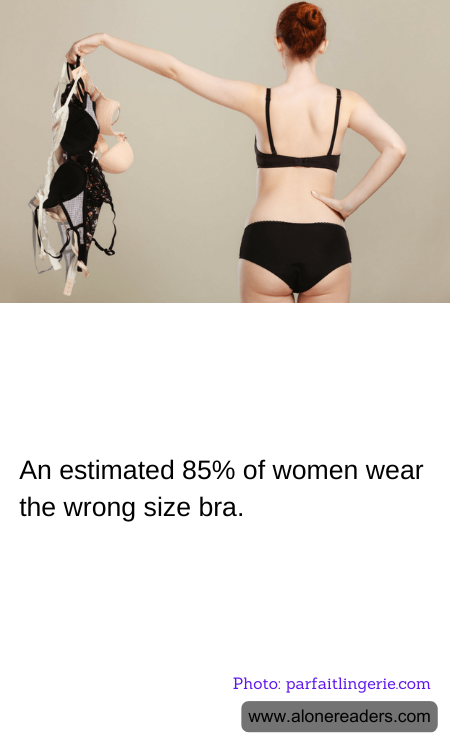
Wearing the right size bra is crucial not only for comfort but also for maintaining breast health, yet an astonishing 85% of women reportedly wear the wrong size. This common issue stems from various factors, including misconceptions about bra sizing, changes in body weight, and hormonal variations which are often overlooked.
Bra fitting seems straightforward but is actually quite complex. Many women rely on a size they were measured for years ago and continue purchasing the same size without considering changes in their body that can affect bra fit. Weight gain or loss, pregnancy, and menopause can drastically alter breast size and shape, but regular re-evaluations of bra size are not a common practice.
The consequences of wearing an incorrectly sized bra range from mere discomfort and skin irritation to more severe issues such as back pain, posture problems, and tissue damage. A bra that is too tight can restrict movement and lead to skin abrasions, while one that is too loose fails to provide adequate support, leading to muscle strain and sagging breasts over time.
Getting professionally fitted for a bra is an effective solution, albeit one that many may shy away from, either due to embarrassment or the perception that it is unnecessary. Moreover, the lack of standardized sizing across different brands and styles can make finding the perfect fit challenging. Every brand may interpret cup and band sizes differently, and styles like balconettes, full-cups, or push-ups fit differently even if they are technically the same size.
Employing a few home strategies could also make a substantial difference. For instance, knowing how to properly measure one’s bust and underbust or understanding the implications of the bra’s band and cup on overall fit can guide better choices. There are numerous online resources and tutorials available that can teach women how to measure themselves accurately and interpret these measurements.
The overwhelming percentage of women wearing the wrong bra size highlights a need for greater awareness and education on this issue. It emphasizes not only the need for personal diligence in periodically reassessing one’s bra fit but also for broader educational campaigns by health and underwear professionals. As the lingerie industry continues to evolve, hopefully, more attention will be directed toward ensuring that women are well-informed and equipped to make the best decisions for their comfort and health.