More About This Card
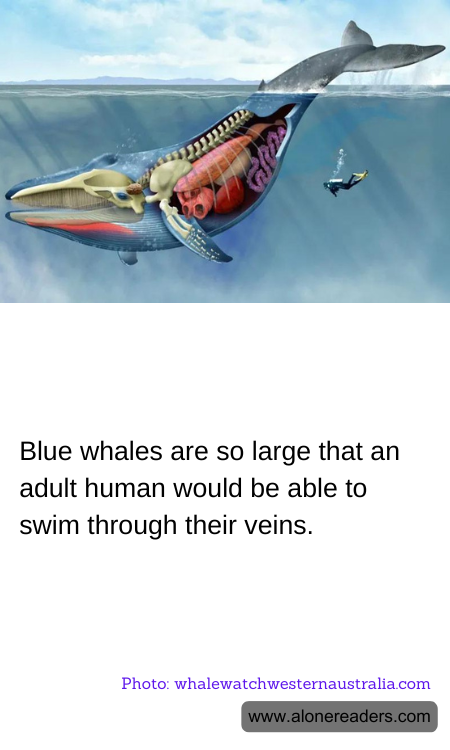
Blue whales are the largest animals known to have ever existed on Earth, surpassing even the most gigantic dinosaurs in sheer size. Their immense proportions are nothing short of awe-inspiring. To put their size into perspective, an adult blue whale can reach lengths of up to 100 feet and weigh as much as 200 tons or more. Their heart alone is the size of a small car, and its beat can be detected from two miles away. A testament to their extraordinary circulatory system is the fact that the aorta, the main artery of the heart, is so large that an adult human could theoretically swim through it.
The immensity of blue whales goes beyond mere fascination; it plays a critical role in their survival in the ocean depths. These marine giants feed primarily on tiny krill, consuming up to 6 tons of these small creatures each day during feeding season. They achieve this through a feeding method known as lunge feeding, where the whale accelerates in a high-speed surge to engulf a massive volume of water teeming with krill. They then use their enormous tongue to push the water out through their baleen plates, trapping the krill inside.
Despite their colossal size and seemingly intimidating presence, blue whales are gentle giants. They are known to be curious about human vessels and sometimes approach boats. Their vocalizations, which can reach up to 188 decibels, allow them to communicate with other whales over enormous distances across the ocean's vast expanse. These sounds are essential for their interactions, breeding, and possibly navigation.
Regrettably, the blue whale population has suffered dramatically due to human activities, primarily whaling, which was rampant in the early 20th century. It is estimated that there were initially 250,000 blue whales before whaling, but today the population is much reduced. International bans on commercial whaling have been in place since 1966, and there are signs of gradual recovery, but threats such as ship strikes and climate change continue to pose risks to this magnificent species.
The idea that a human could swim through the veins of a blue whale captures the imagination and emphasizes just how marvelous and formidable nature can be. It also serves as a poignant reminder of our responsibility to protect these magnificent creatures and their habitats. As stewards of the planet, it is up to us to ensure that future generations will also be able to marvel at the giants of the ocean.