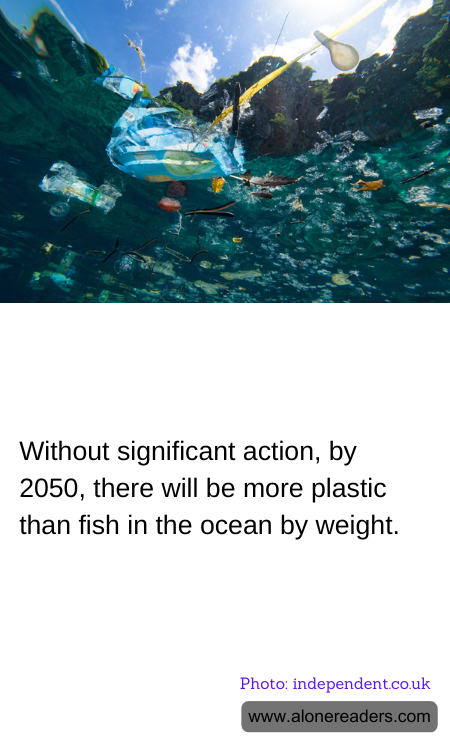
The alarming projection that by 2050 there could be more plastic than fish in the ocean by weight underscores a critical environmental crisis that the world faces today. This disturbing forecast isn't merely a stark warning but a call to action for governments, organizations, and individuals alike. The rapid increase in plastic pollution has been devastating, with millions of tons of plastic waste entering the oceans annually. This not only disrupts marine life but also affects human health, local economies, and global ecosystems.
Plastics, which are primarily derived from fossil fuels, are favored for their durability and low cost, leading to widespread use in various industries. However, these same qualities make plastics a persistent environmental hazard, as they are non-biodegradable and can last for hundreds of years in marine environments. Once in the ocean, plastics break down into smaller pieces known as microplastics, which are often ingested by marine species, entering the food chain and potentially ending up on our plates.
The impact of this pollution extends beyond environmental degradation. Economically, it affects the livelihoods of people who depend on healthy marine ecosystems, particularly in coastal communities reliant on fishing and tourism. Furthermore, there's growing concern about the health implications of plastic consumption in humans, although research is still ongoing to understand the full effects.
Addressing this issue requires concerted global efforts aimed at reducing plastic use and improving waste management practices. Initiatives like banning single-use plastics, promoting alternatives such as biodegradable materials, and enhancing recycling technologies are critical steps that have been adopted in various countries. Additionally, educating the public about the adverse effects of plastic pollution and encouraging responsible consumption habits are equally important.
Innovative solutions are also emerging, such as ocean cleanup projects and advancements in biodegradable plastics. Such innovations, combined with stringent regulatory frameworks, could significantly mitigate the impact of existing pollution and curtail future contributions to the problem.
Ultimately, the goal is to prevent the dire prediction of oceans containing more plastics than fish by 2050 from becoming a reality. This requires a paradigm shift in how we produce, use, and dispose of plastic items. Encouraging a more sustainable interaction with our environment is essential, not just for the sake of marine life but for the health and prosperity of future generations. This pressing issue calls for immediate and persistent action at every level of society.
