More About This Card
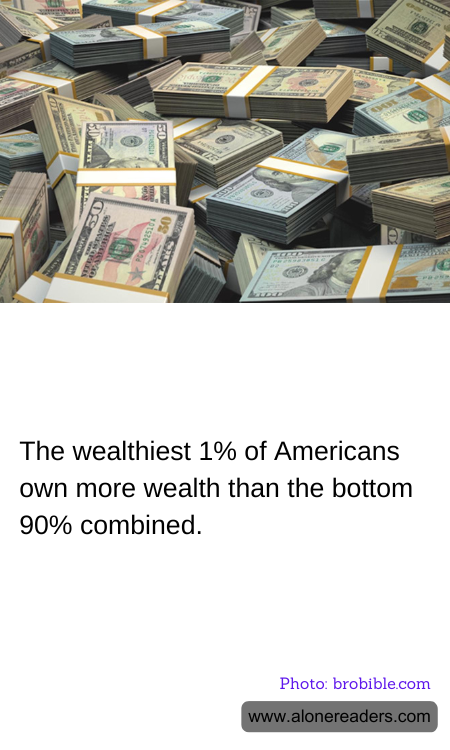
In the United States, the disparity in wealth distribution has reached stark proportions, with the richest 1% of Americans now owning more wealth than the combined assets of the bottom 90%. This concentration of economic resources among the wealthiest individuals highlights significant imbalances in the economy and raises concerns about economic equity and stability.
The wealth of the top 1% includes a wide array of assets including stocks, bonds, real estate, and business interests, which have all appreciated significantly over the past several decades. Meanwhile, the majority of the bottom 90% primarily rely on wage income with little to no investment income, and are often burdened with higher levels of debt relative to their assets. The economic policies and market dynamics that favor capital over labor have widened this wealth gap. For instance, the stock market growth benefits those who have the means to invest, while wages for middle and lower income earners have remained relatively stagnant when adjusted for inflation.
The implications of this wealth concentration are profound, impacting not just economic stability but also affecting social cohesion. Economically, when most of the wealth is concentrated in the hands of a few, there is less spending and investment across the broader population. This can lead to slower economic growth and higher volatility. Socially, vast wealth disparities can lead to a sense of disillusionment and frustration, fueling divisions and undermining trust in both economic and political systems.
Furthermore, this concentration of wealth also affects political influence. Wealthier individuals and corporations can afford to exert more influence over public policy through lobbying and campaign contributions, potentially leading to legislation that further entrenches wealth disparities. This loop of increasing wealth leading to increased political power which then leads to policies that further increase wealth concentration, poses significant challenges to democratic principles and equitable policy making.
Addressing this issue requires a multifaceted approach from both policy makers and the public. Policies aimed at promoting fair wages, enhancing access to education and healthcare, reforming tax codes that benefit the wealthy disproportionately, and protecting consumers from predatory financial practices are vital. Additionally, there's a growing discussion about the potential role of wealth taxes or more progressive taxation systems to help redistribute economic resources more fairly.
In conclusion, the massive wealth disparity between the top 1% and the bottom 90% in America not only challenges the fabric of economic stability but also raises critical questions about the fairness and functionality of the broader socio-economic system. Bridging this gap requires thoughtful policies that ensure economic opportunities and rewards are more evenly shared across all strata of society.