More About This Card
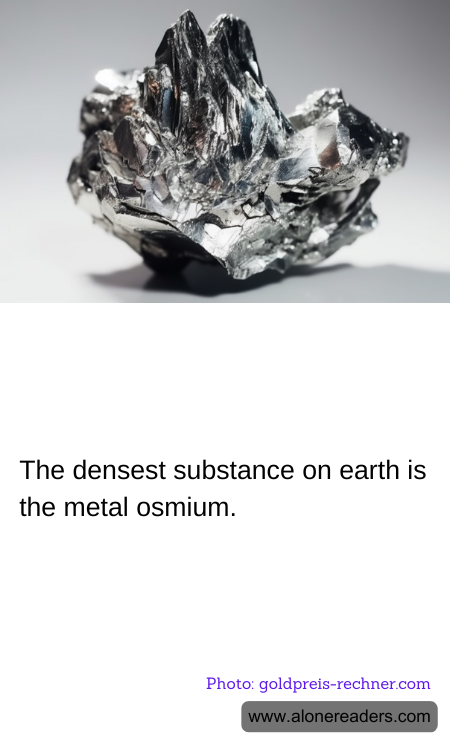
Osmium, a rare and dense metal, is engaging not only due to its physical properties but also because of its fascinating position in the periodic table and real-world applications. Often cited as the densest substance on Earth, this bluish-silver element bears an impressive density of about 22.59 grams per cubic centimeter. It surpasses other heavy metals, including iridium, which comes quite close in terms of density.
Osmium is part of the platinum group metals, which includes platinum, palladium, rhodium, iridium, ruthenium, and itself. This group is well-known for its outstanding resistance to wear and corrosion, a feature that makes these metals highly desirable in various industrial applications. Osmium, with its high density and durability, is not abundantly available; it is mainly obtained as a by-product from nickel and copper mining where it is derived from the processing ores.
Due to its extreme hardness and brittleness, osmium is seldom used in a pure form but is most commonly alloyed with other metals from the platinum group to enhance their properties. For instance, osmium-iridium alloys are particularly sought after for their applications in high-wear environments such as fountain pen tips, electrical contacts, and fine pivot bearings. This resistant nature also opens avenues in scientific research involving severe conditions where materials are subjected to high wear and chemical aggression.
Despite osmium's remarkable properties, it requires careful handling due to its toxic compound, osmium tetroxide. When osmium is exposed to air, it partially oxidizes to osmium tetroxide, a highly volatile compound that can cause lung damage, skin and eye irritation, and other serious health issues if inhaled or contacted. Consequently, when handling osmium, comprehensive safety precautions are mandatory to mitigate exposure risks.
The combination of rarity, density, and distinctive chemical behavior makes osmium a standout material, specifically for specialized applications that require materials with extraordinary durability and chemical stability. The metal's rarity and complex extraction methods also contribute to its high market value, making it a niche yet vital player in the materials science domain. As technology progresses and demands for more robust materials grow, osmium’s role could potentially expand, driven by continuous research and innovation.