More About This Card
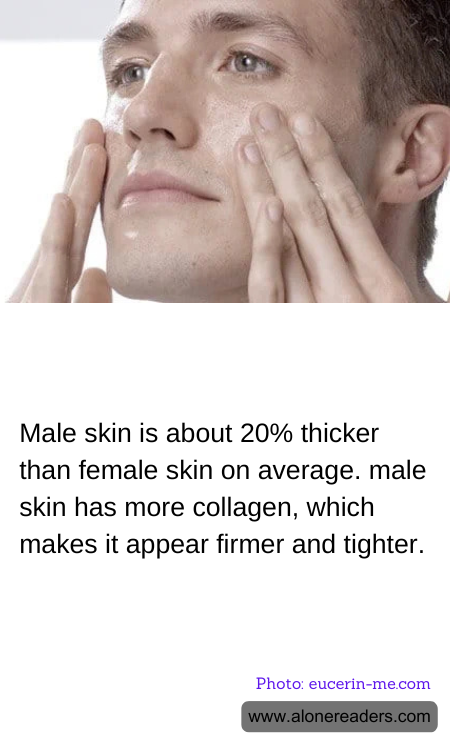
Male skin, often characterized by its thickness and high collagen content, fundamentally differs from female skin in several ways. On average, a man's skin is about 20% thicker than a woman's. This increased thickness not only influences the tactile quality of the skin but also affects how it ages and reacts to environmental stressors.
The higher collagen density in male skin is another distinguishing factor. Collagen, a vital protein that helps to keep the skin elastic and firm, tends to be more abundant in males. This abundance contributes to skin that appears firmer and tighter, which can also mean that men's skin shows signs of aging such as wrinkles and fine lines later in life. However, once the aging process does begin, it tends to progress more rapidly than in female skin.
The skin's thickness and robust collagen network offer certain advantages, such as greater protection against physical injuries and a slower rate of visible aging. However, these characteristics also present unique challenges, including a greater propensity for oiliness and acne. Male skin typically produces more sebum due to higher levels of testosterone, leading to a shinier appearance and sometimes more significant acne issues, especially during adolescence.
Understanding these differences is crucial for effective skin care. Men are encouraged to adopt a skin care regimen that addresses their unique needs, such as using products that manage oil production without over-drying, providing adequate hydration, and protecting the skin from UV radiation and other environmental pollutants. Regular use of sunscreens, moisturizers, and exfoliants can help maintain the health and appearance of male skin, keeping it at its best longer.
Moreover, it's important for men to recognize the role of good nutrition, adequate hydration, and overall lifestyle choices on skin health. Factors like smoking, lack of sleep, and excessive alcohol consumption can negate the natural advantages of male skin by accelerating the aging process and diminishing overall skin quality. Thus, integrating a holistic approach that combines both topical treatments and a healthy lifestyle is ideal for maintaining the skin's integrity and youthful appearance over time. Incorporating these elements ensures that the skin can utilize its innate properties to remain robust and resilient against the many forms of stress it encounters daily.