More About This Card
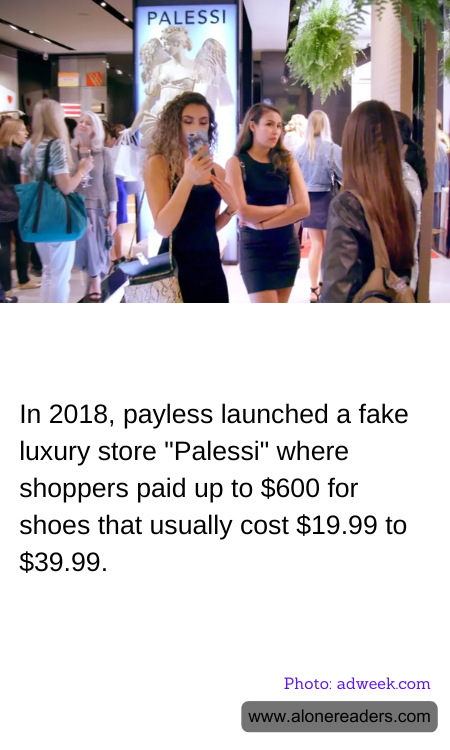
In a brilliant marketing stunt that captured the attention of both consumers and industry analysts, Payless ShoeSource orchestrated an elaborate prank to shed light on the perceived value of luxury items. In 2018, the discount footwear chain opened a fake pop-up store named "Palessi" in a former Armani store in Santa Monica, California. Here, they invited influencers and people from the fashion industry to attend what was marketed as the launch of a new high-end designer.
The store was meticulously designed to mimic an upscale boutique, with minimalistic décor and shoes displayed under spotlights, creating an aura of exclusivity and luxury. The attendees, believed they were browsing high-fashion shoes from an upstart Italian designer, Bruno Palessi, a non-existent persona crafted specifically for this event. Marketing materials and the setting suggested a brand that was sophisticated and chic.
Over the course of two days, partygoers shelled out hundreds of dollars on footwear, with prices marked up significantly, as high as $600 for a pair of shoes that typically sold at Payless stores for $19.99 to $39.99. After making their purchases, the shoppers were informed that the shoes were actually from Payless, revealing the nature of the experiment. Their reactions were filmed and later used for promotional material by Payless, who refunded the money paid and let the shoppers keep the shoes as a gift.
The stunt was aimed at challenging consumers' perceptions that higher prices translate into higher quality. Payless wanted to highlight how their affordable footwear could still be stylish and desirable without the hefty price tag associated with designer brands. The experiment garnered widespread media coverage and sparked discussions about branding and consumer behavior. The "Palessi" campaign highlighted the sometimes arbitrary nature of luxury goods' value, shining a light on the psychological effect of marketing on consumer perceptions of quality and worth.
This bold move by Payless not only attracted a lot of consumer attention but also played a pivotal role in addressing the stigma sometimes associated with discount retail. By cleverly masquerading as a luxury brand, Payless was able to demonstrate that the value of their product was not just in the price, but in the satisfaction of the customers who wear them.