More About This Card
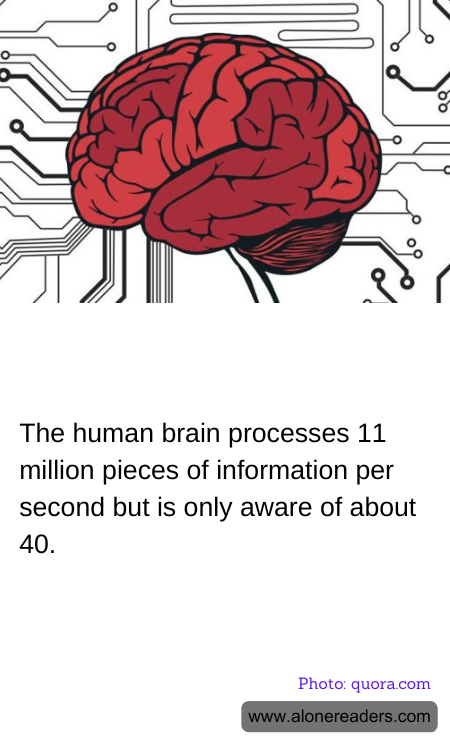
The human brain is an extraordinary organ, capable of processing vast amounts of information every second. According to research, it can handle up to 11 million bits of data per second, but the conscious mind is aware of just about 40 bits. This incredible difference between the unconscious and conscious processing power of the brain underscores the efficiency and complexity of our cognitive functions.
Most of the information the brain processes is managed subconsciously, enabling us to react to the environment around us without needing to consciously interpret every detail. For instance, when walking in a crowded area, your brain navigates through people, avoids obstacles, and maintains balance without the active involvement of your conscious mind. This is because the subconscious mind handles routine tasks and sensory processing, allowing the conscious mind to focus on more complex activities like planning, reasoning, and decision-making.
The selective attention mechanism in the human brain plays a crucial role in filtering this information. It allows individuals to focus on what is most important or relevant at the moment, while the rest of the data is processed in the background. Without such mechanisms, we would be overwhelmed by the sheer volume of sensory input we receive at every moment.
Moreover, the unconscious brain is not just a passive recipient of information; it also influences our conscious thoughts, behaviors, and decisions. This can be seen in phenomena like intuition or gut feelings, where one makes decisions without analytical reasoning, relying instead on accumulated subconscious knowledge. This suggests that the subconscious mind is constantly learning and adapting based on new experiences, a process that significantly impacts our conscious choices albeit invisibly.
The efficiency of the brain's information processing system is crucial for survival and adaptation. It seamlessly integrates cognitive functions, from automatic responses to complex, conscious strategies. Understanding more about how we process and filter information can not only help in enhancing cognitive functions through targeted exercises and mindfulness practices but also in managing cognitive overloads prevalent in the digital age, ensuring mental health and functionality.