More About This Card
Eggplants, also known as aubergines, belong to the nightshade family of plants, which includes tomatoes, bell peppers, and potatoes. One of the lesser-known facts about this popular garden vegetable is that it contains nicotine, albeit in extremely small quantities. This fact often raises eyebrows, considering that nicotine is more commonly associated with tobacco and its addictive properties.
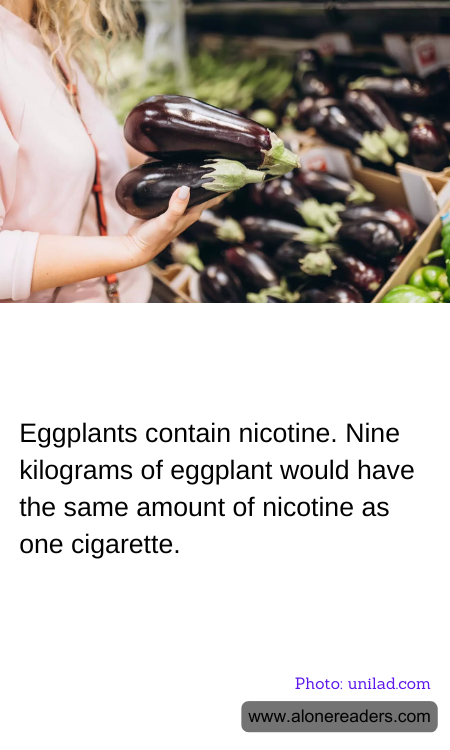
The nicotine content in eggplants has piqued the interest of many, leading to an intriguing comparison which claims that about nine kilograms of eggplant is equivalent to the amount of nicotine found in one cigarette. Put into perspective, this means that each eggplant has only about 0.01 milligrams of nicotine. The average cigarette, on the other hand, contains about 1 milligram or more of nicotine, depending on the brand and type. This comparison highlights the negligible amount of nicotine present in eggplants.
Despite this trace amount, the presence of nicotine in eggplants and other members of the nightshade family isn't considered harmful and poses no risk to human health when consumed in typical dietary amounts. In fact, the health benefits of eggplants far outweigh the concerns about their nicotine content. Eggplants are rich in fiber, vitamins, and minerals and low in calories, making them a valuable addition to a balanced diet.
Moreover, they are versatile in the kitchen, serving as a staple ingredient in dishes around the world. From the famous Italian eggplant Parmesan to the smoky Middle Eastern baba ghanoush, eggplants offer a wealth of culinary opportunities. They can be baked, grilled, roasted, or sautéed, transforming into delicious and hearty meals.
In conclusion, while the concept of nicotine in eggplants can be surprising, it is important to recognize the context and scale of its presence. The negligible level of nicotine in eggplants certainly does not detract from their nutritional value or culinary appeal. Instead, it stands as a curious fact about one of our most beloved garden vegetables, reminding us of the complex and often surprising nature of natural plant compounds.