More About This Card
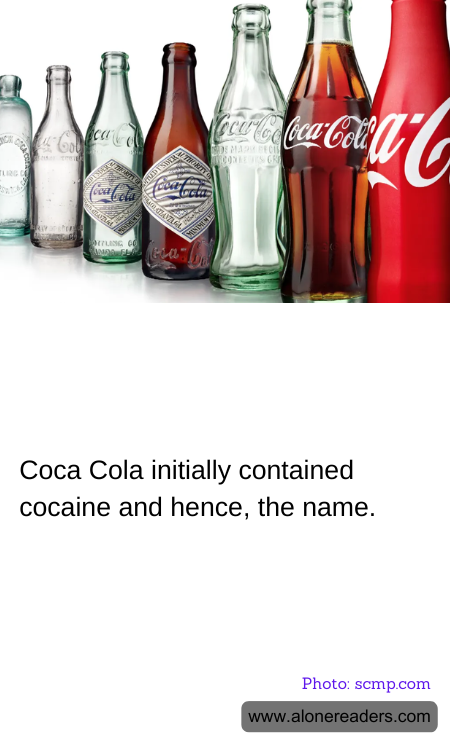
Coca-Cola, one of the world’s most famous beverages, indeed has a history with cocaine, a fact that draws intrigue and curiosity even today. The original formula for Coca-Cola, created in 1885 by John Stith Pemberton, a pharmacist in Atlanta, Georgia, was designed as a coca wine called Pemberton’s French Wine Coca. This early version of the drink combined coca leaves and kola nuts, providing caffeine and, notably, traces of cocaine.
At the time, cocaine was not yet illegal in the United States and was commonly used in medicines and tonics as a cure for various ailments. Pemberton touted his drink as a panacea capable of relieving headaches, nervous disorders, and even addiction to opiates. The ingredients at play derived from the coca leaf and kola nut not only gave the beverage its name, Coca-Cola, but also its initial stimulating effects.
The transition to the non-alcoholic version of Coca-Cola occurred in 1886, in response to rising prohibitionist sentiments in Atlanta. Pemberton adapted his formula to produce a syrup that could be mixed with carbonated water and sold in soda fountains. The beverage was marketed as a “temperance drink,” aligning it with the anti-alcohol movement of the time. This product continued to include coca leaf extract, but the cocaine content was gradually reduced in later years.
By 1904, due to health concerns and changing attitudes towards cocaine, The Coca-Cola Company began using “spent” coca leaves—those that had been processed to remove cocaine—for its syrup. This was feasible due to advancements in chemical processing techniques developed by companies like Maywood Chemical Works in New Jersey, which worked exclusively with Coca-Cola. By 1929, technology had improved to the extent that no traces of cocaine were left in the coca leaf extract used by Coca-Cola.
The presence of cocaine in the original formulation of Coca-Cola is a testament to the evolving nature of food and beverage regulations and societal attitudes towards ingredients. Today, the idea of a soft drink containing cocaine seems implausible and illegal, yet it serves as a historical footnote to the changing perceptions of health, wellness, and legality through the ages. Coca-Cola has since become a global phenomenon, promoting itself as a drink of happiness and refreshment, far removed from its narcotic-infused origins. This history remains a fascinating chapter in the story of one of the world’s most iconic beverages.