More About This Card
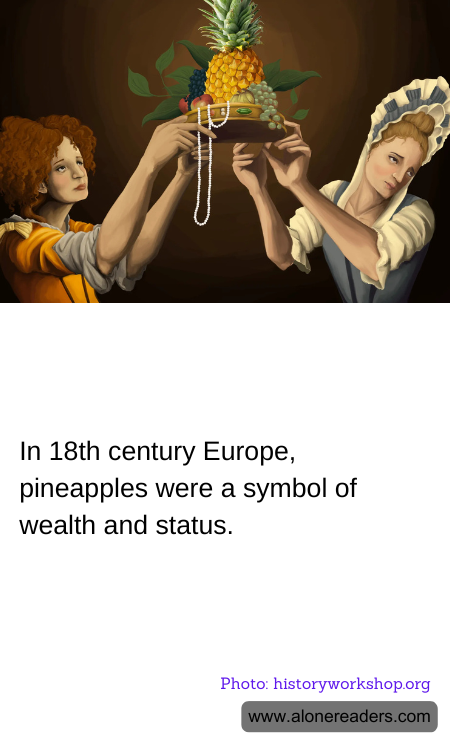
In 18th century Europe, the pineapple transcended its role as just a piece of exotic fruit to become a significant symbol of wealth, status, and hospitality. Native to South America, pineapples were first introduced to Europe in the late 15th century following Christopher Columbus's return from the New World. However, it wasn't until the 17th and 18th centuries that their cultural and social significance truly peaked in Europe.
During this time, pineapples were incredibly difficult to cultivate in the European climate, which lacked the tropical conditions essential for their growth. The fruit had to be imported from the Caribbean or cultivated in hothouses, which were expensive to build and maintain. In England, for instance, the production of a single pineapple could take years and the equivalent of thousands of dollars today. This rarity and the expense associated with growing or importing pineapples made them a luxurious commodity that only the wealthy could afford.
Ownership or display of a pineapple became a way of demonstrating not just wealth but also one’s status within society. They were often used as centerpieces in lavish banquets and parties. The fruit was so prized that, in some cases, it was not even eaten when ripe. Instead, it would be displayed to underline the host's affluence and then rented out to less wealthy individuals who wished to use it at their own gatherings, further cementing its status symbol.
The pineapple’s representation of hospitality also came into prominence during this era. It was occasionally carved onto the entrances of manors and public buildings, suggesting a warm welcome. Today, this symbol of hospitality persists in various forms, evident in its use in hotel logos, door knockers, and gatehouse decorations.
Through its metamorphosis from an exotic unknown to a coveted emblem of societal importance, the pineapple's story in 18th century Europe is a fascinating illustration of how cultural contexts can shape the meanings and values associated with a natural object. By the time pineapples became more accessible to the general public with advancements in transportation and horticultural techniques, they had already left an indelible mark on European social history.