More About This Card
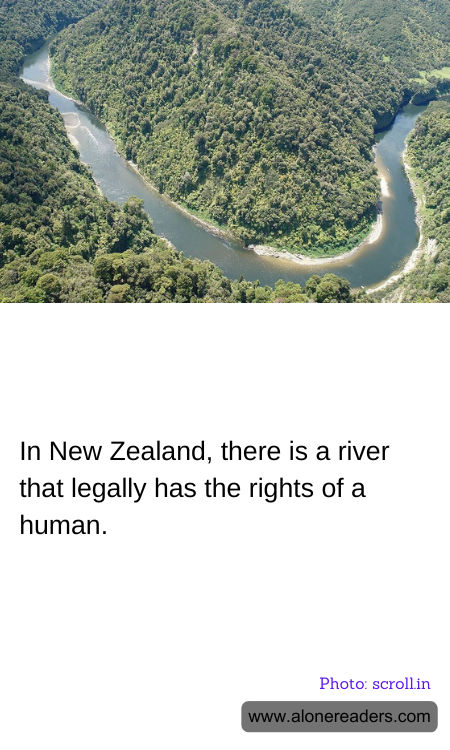
In an unprecedented move that underscores the deep connection between nature and cultural identity, New Zealand has granted the Whanganui River the legal rights of a human being. This historic decision, made in 2017, stands as a groundbreaking recognition of the river's significance to the local Maori people, particularly the Whanganui iwi (tribe), who view the river as both an ancestor and a living entity.
The Whanganui River, located in the North Island of New Zealand, is the country's third-longest river and a vital aspect of the region's ecosystem. For the Whanganui iwi, the river is an integral part of their history and spirituality, embodying their principle of "I am the river and the river is me." This intrinsic bond motivated the tribe to fight for the recognition of the river's personhood, a legal battle that spanned over 160 years, making it one of the longest-running litigation cases in New Zealand history.
The groundbreaking legislation acknowledges the river as an indivisible and living whole from the mountains to the sea. It grants the river all the rights, duties, and liabilities of a legal person. A key aspect of this arrangement is the establishment of two guardians to act on behalf of the river—one appointed by the Whanganui iwi and the other by the government. These guardians are tasked with protecting and preserving the river’s health and well-being.
This legal recognition is not merely symbolic. It carries practical implications for conservation efforts and sets a legal precedent for environmental protection worldwide. It ensures any activities along the river, including projects that could impact its flow or water quality, must be done in ways that do not harm the river. Moreover, it allows the river to be represented in court proceedings, giving it a critical tool to safeguard its interests.
The Whanganui River's recognition has inspired similar initiatives globally, where environmental sites and natural resources are granted legal rights. This includes rivers like the Ganges and Yamuna in India, and natural entities in countries like Ecuador and Bolivia. These actions represent an evolving relationship between human societies and the natural world, acknowledging the vital role that nature plays not just in ecological terms but as a core component of cultural heritage and identity.
New Zealand's decision to grant human rights to a river has set a significant precedent that encourages us to rethink our legal frameworks and relationship with nature. It underscores the distinct way indigenous perspectives can reshape conservation efforts and highlights the need for legal systems to adapt and respond to the challenges of environmental protection in the modern world. As the planet faces unprecedented environmental challenges, such innovative legal frameworks can be crucial in spearheading global environmental conservation efforts.