More About This Card
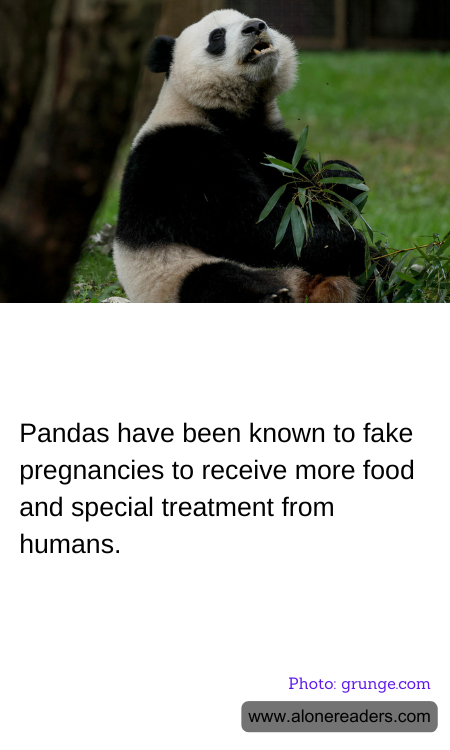
Pandas are among the most charismatic megafauna on the planet, often capturing public attention due to their unique appearance and behavior. Interestingly, one fascinating aspect of panda behavior observed in captivity is the phenomenon where a panda might exhibit signs that suggest it is pregnant, when in fact, it is not. This behavior has led some to believe that pandas fake pregnancies, but the situation is a bit more complex and rooted in the biology and psychology of the animals.
In captivity, pregnant pandas are given special treatment; they receive more food, enhanced care, and a quiet, comfortable environment to nurture potential offspring. This special treatment seems to be at the center of why some pandas show behavior consistent with pregnancy without actually being pregnant. Signs of pregnancy in pandas include reduced appetite, lowered mobility, and hormonal changes. These signs, however, can also be induced by other factors, sometimes making it difficult for even experts to ascertain the true pregnancy status without advanced medical testing.
The reason behind a panda exhibiting such behavior, if not actually pregnant, could be due to what is known as a "pseudopregnancy." Pseudopregnancy is a condition where an animal exhibits all the signs of pregnancy, from hormone changes to behavior modifications, without actually carrying a fetus. In pandas, pseudopregnancy is relatively common, and it is thought to result from the complex interplay of hormones following estrus (the period of sexual receptivity in female mammals). The hormonal milieu during this period can mimic pregnancy, leading to behavior that might suggest they are expecting when they are not.
While it's an engaging notion that pandas might manipulate their circumstances to receive better care, the evidence leans more towards the natural biological occurrences of pseudopregnancy. These creatures have adapted intriguing ways of interacting with the world around them, and their interactions with humans in captivity are just another aspect of this. Moreover, understanding these behaviors is crucial for improving breeding programs and ensuring the well-being of pandas in captivity, which in turn supports conservation efforts aimed at increasing the population of this endangered species.
Therefore, it's less about deception on the part of the panda and more about the complexities of their biological processes. The special care they receive when showing signs of pregnancy—whether true or mimicked—highlights the attentiveness and dedication of conservationists and zookeepers working towards the preservation of this beloved species. The narrative of pandas faking pregnancy underscores the ongoing need for research and observation to better understand and care for these unique animals in their captive environments.