More About This Card
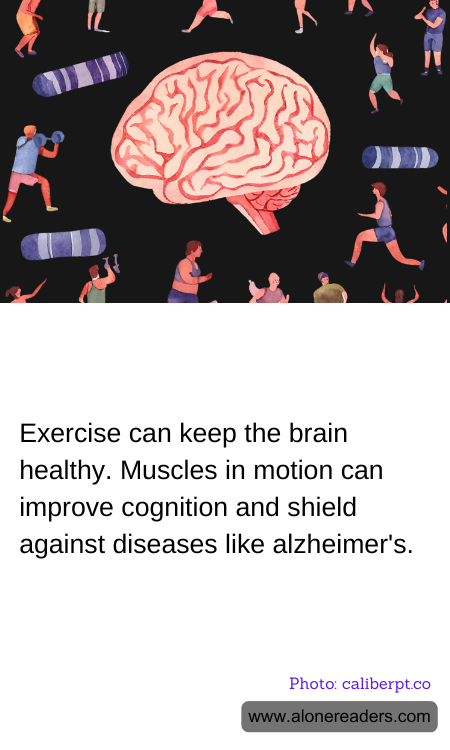
Exercise is widely recognized for its benefits to physical health, but its impact on brain health is equally profound. Engaging in regular physical activity can significantly enhance cognitive functions and potentially reduce the risk of neurodegenerative diseases such as Alzheimer's. This connection between exercise and brain health can be attributed to several key mechanisms that promote brain activity and protect neurological function.
Firstly, exercise increases heart rate, which promotes the flow of blood and oxygen to the brain. This is crucial as enhanced blood flow improves brain health by helping to nourish brain cells with increased oxygen and nutrients. This process also aids in the elimination of harmful waste products. Regular physical activity is known to boost the production of hormones that facilitate the growth of brain cells, a critical aspect particularly in the hippocampus, an area of the brain essential for memory and learning.
Moreover, exercise stimulates the release of chemicals in the brain that affect the health and functioning of brain cells, the growth of new blood vessels in the brain, and even the abundance and survival of new brain cells. It triggers the release of growth factors—chemicals in the brain that affect the health of brain cells, the growth of new blood vessels in the brain, and even the abundance and survival of new brain cells.
Studies have shown that the brains of people who regularly engage in moderate to intense exercise demonstrate greater volume in the parts of the brain that control thinking and memory (such as the prefrontal cortex and medial temporal cortex) than those who do not. Regular physical exercise also fosters neuroplasticity, which is the brain's ability to adapt and form new neural connections. The enhanced connectivity as a result of exercise facilitates better performance on cognitive tasks and decreases the risk of dementia.
Furthermore, exercise plays a pivotal role in mood regulation. It can alleviate stress, reduce anxiety, and mitigate symptoms of depression, which can otherwise negatively influence cognitive function. Managing these psychological factors not only aids in current cognitive function but also reduces the risk of cognitive decline with aging.
For those concerned about the onset of cognitive decline and neurodegenerative diseases such as Alzheimer's, incorporating routine physical activity into their lifestyle is a proactive step that could potentially defer or mitigate such outcomes. Even simple exercises such as walking, cycling, or regular aerobic workouts can make a marked difference. It is never too late to start, and the benefits of exercise extend far beyond the limbs—it is a powerful tool for maintaining a sharper, healthier mind as we age.